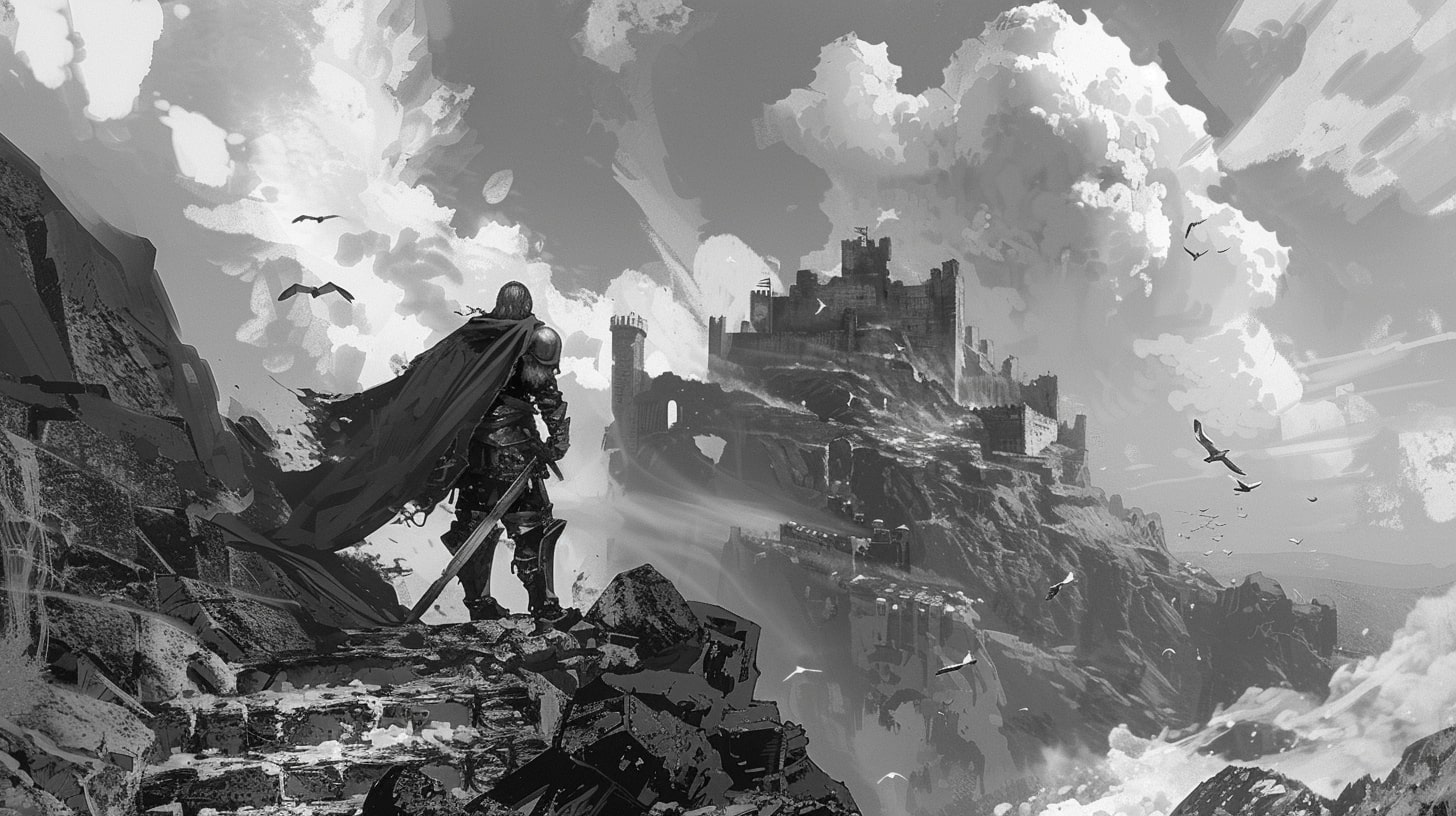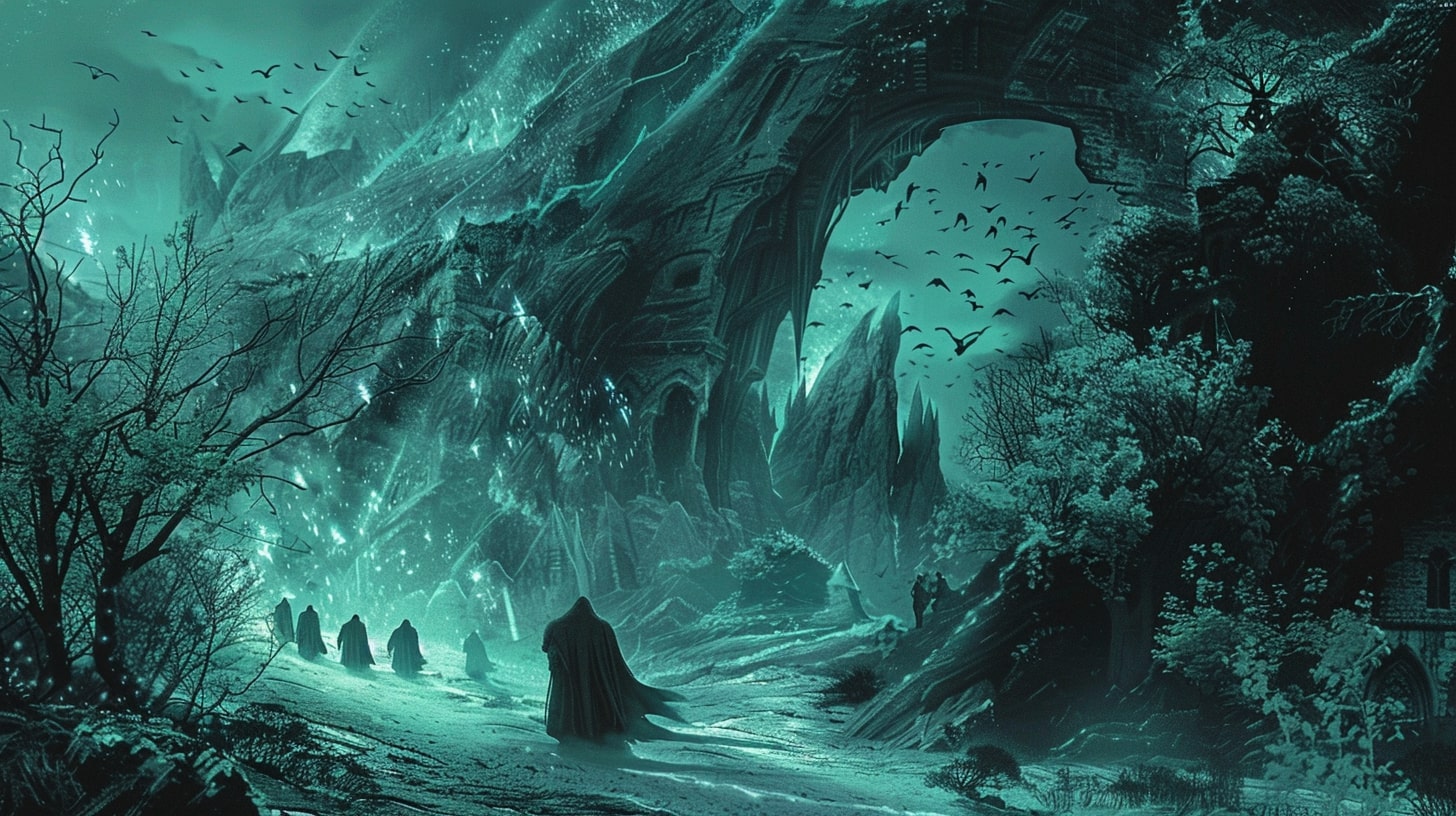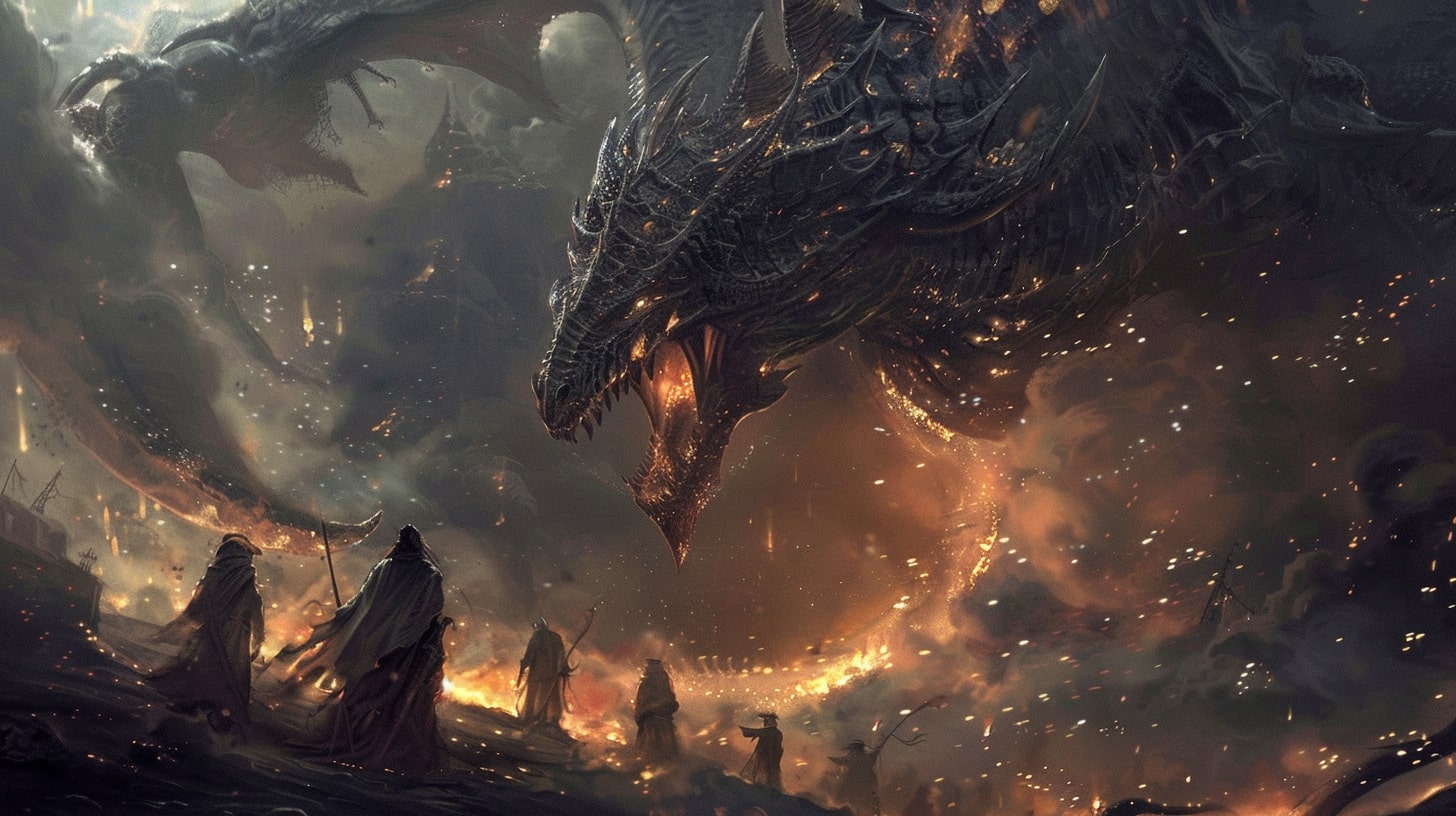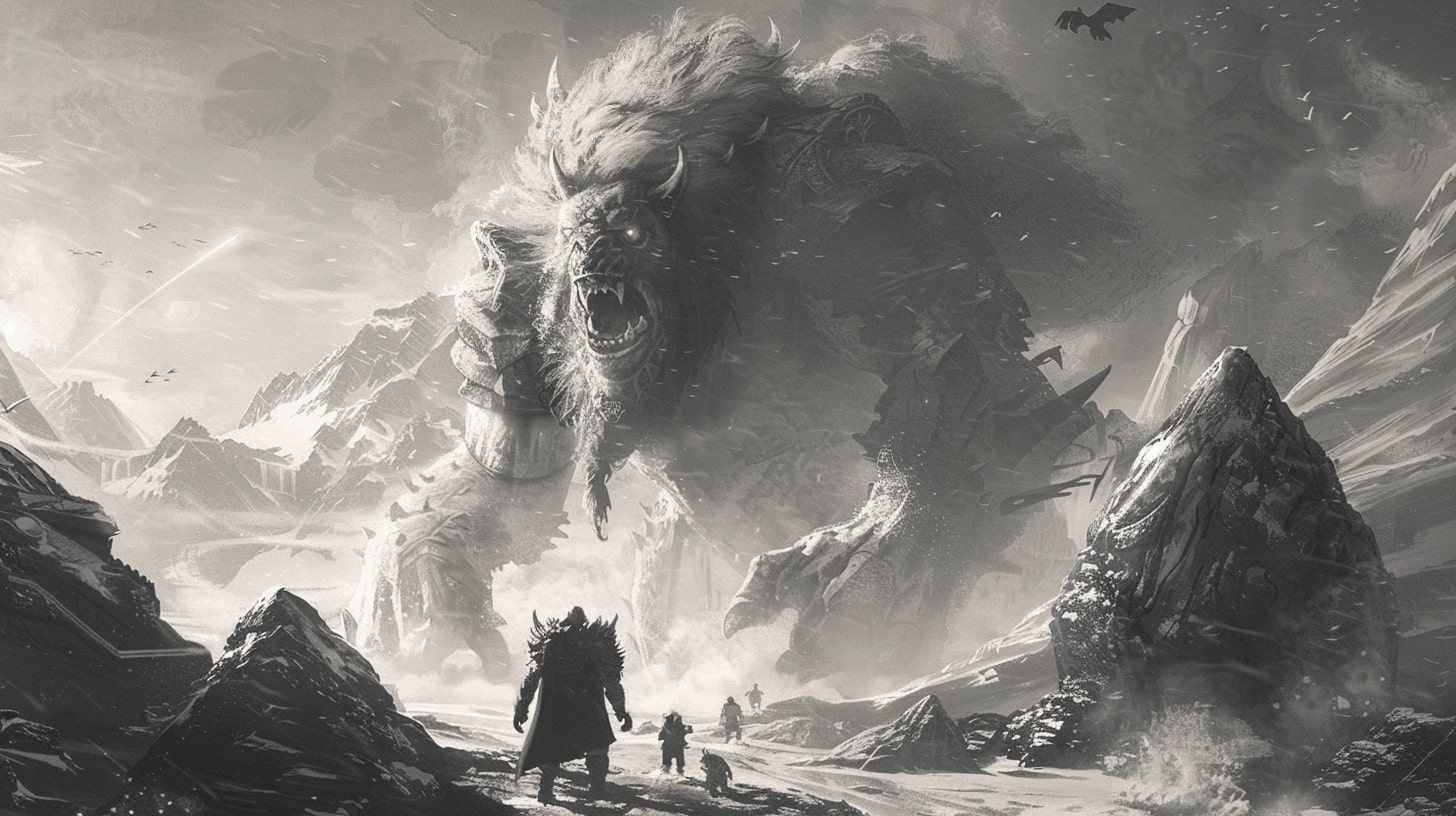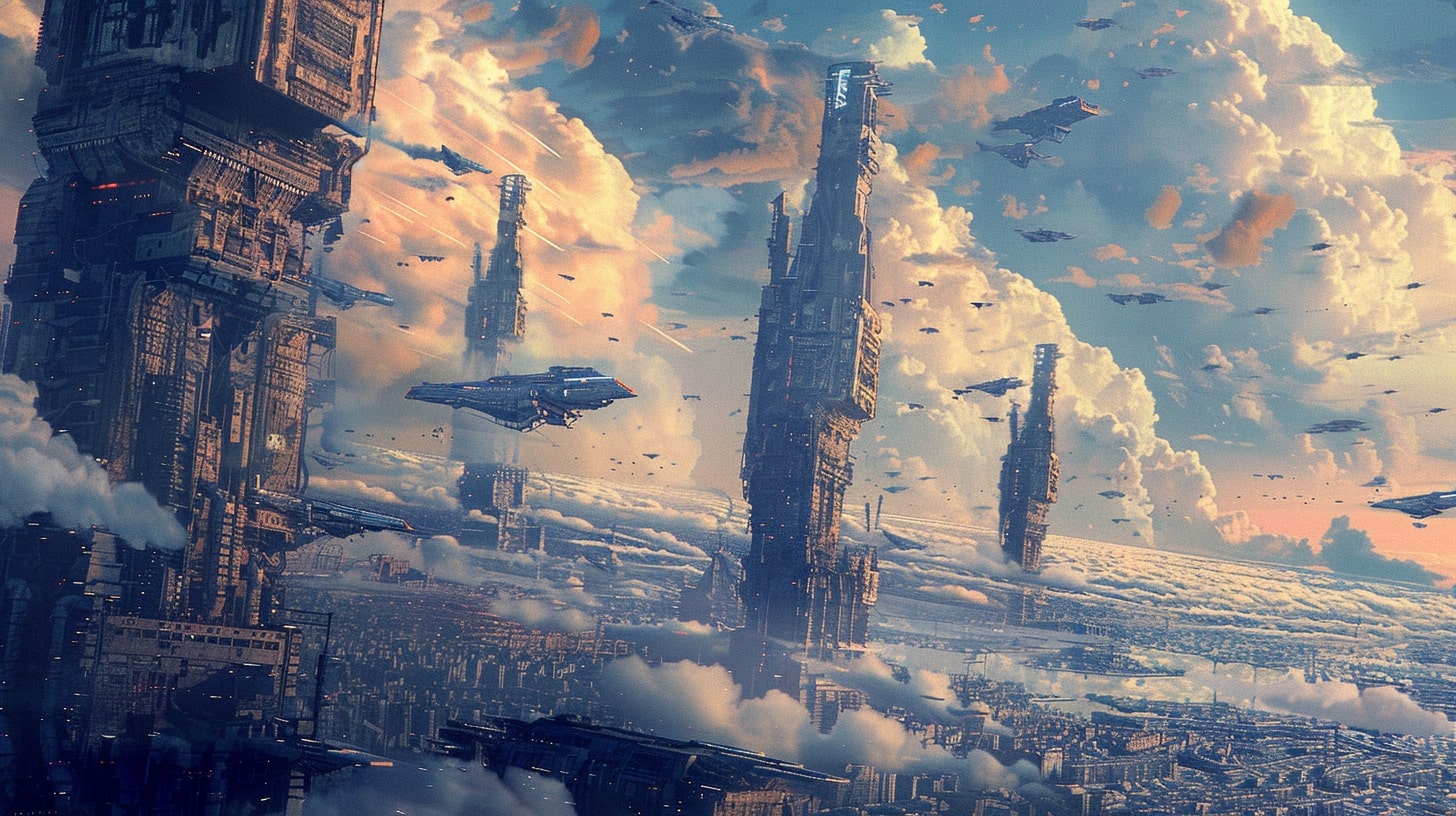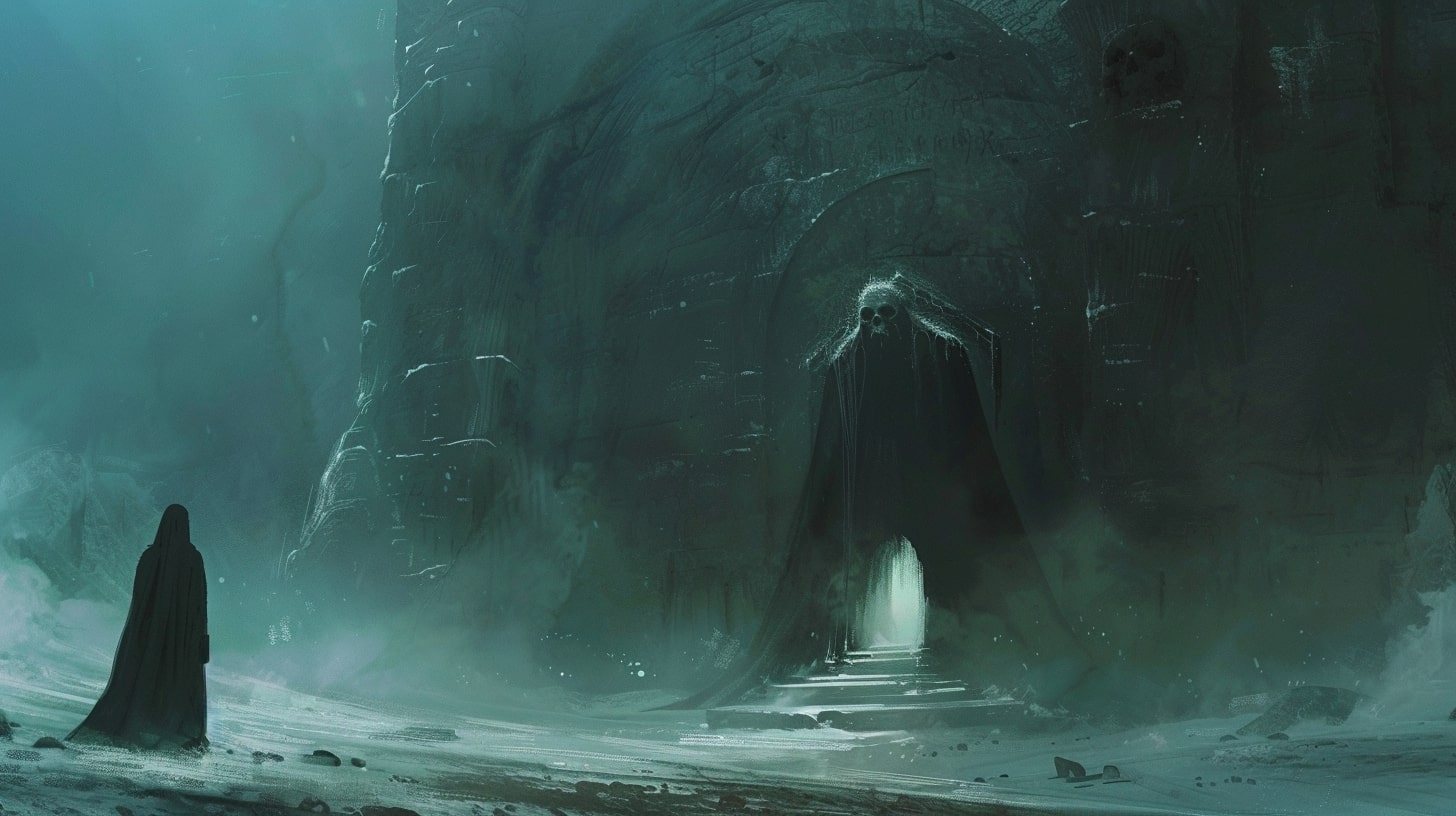
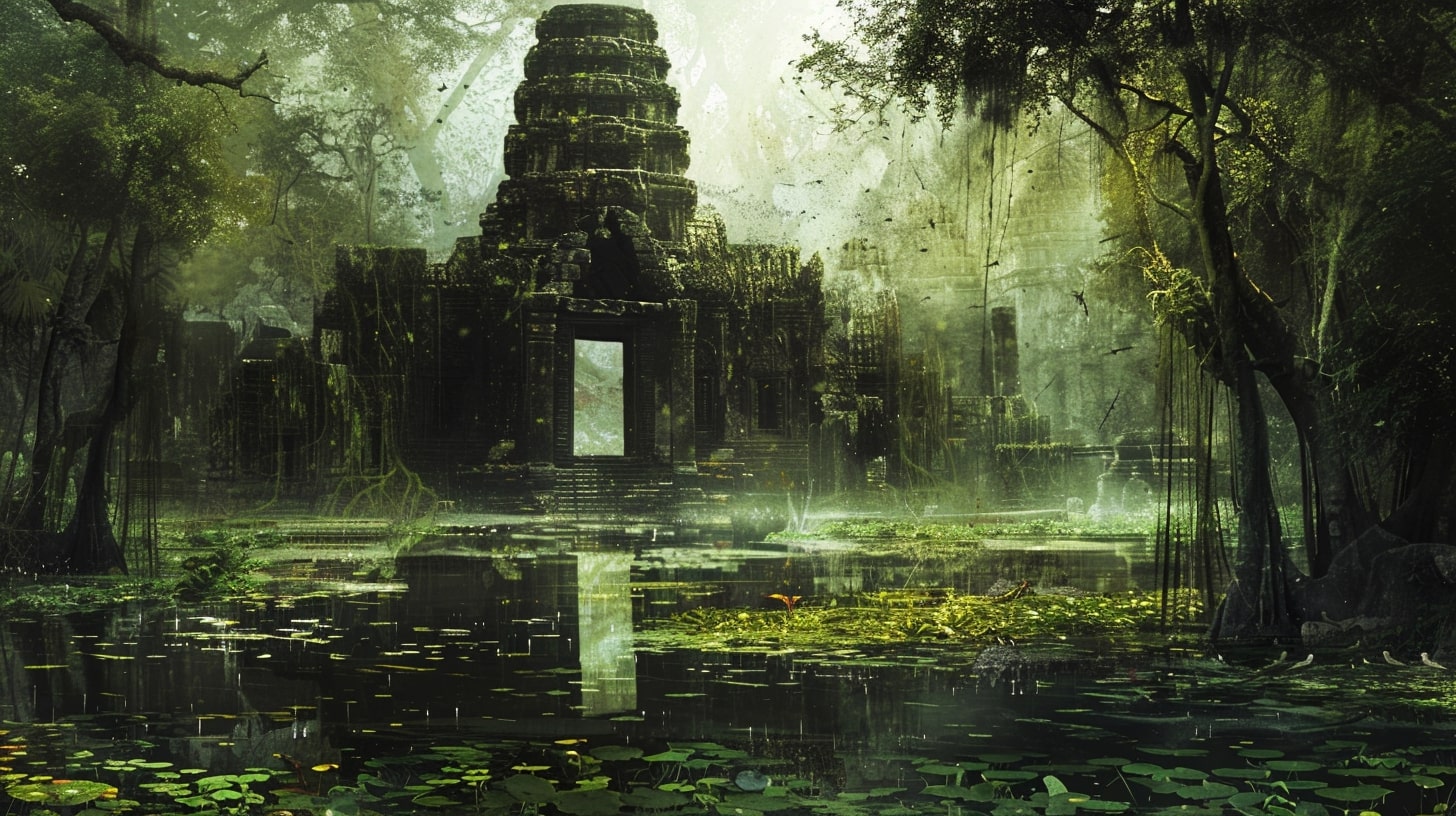
Soft worldbuilding is not the easy version of worldbuilding. It is the version where you decide, on purpose, to show the reader less than you actually built.
That distinction gets lost constantly. People hear "soft" and assume it means loose, vague, made up as you go. Sometimes it is. But the good kind is a choice about restraint, and restraint is harder than documentation.
The whole thing turns on one skill. Knowing what to withhold.
What soft worldbuilding actually is
Soft worldbuilding leans on implication instead of documentation. You suggest the world is deep without stopping to prove it. A character mentions the Year of Storms and moves on. Nobody explains what the Year of Storms was, and the not-explaining is what makes it feel old and real.
The reader's imagination fills the gap. That is not a side effect. That is the mechanism.
Compare that to hard worldbuilding, where the goal is a documented, internally consistent system the reader can trace. Hard worldbuilding wants you to understand. Soft worldbuilding wants you to wonder.
Neither one is the correct answer. They are answers to different questions, and the question is: what does this specific story need the world to do?
Soft vs hard, side by side
The cleanest way to see the difference is to line them up.
| Soft worldbuilding | Hard worldbuilding | |
|---|---|---|
| Core move | Implication | Documentation |
| Reader's job | Fill the gaps | Follow the rules |
| Consistency | Emotional and thematic | Systematic and traceable |
| What powers it | Mystery | Understanding |
| Fails as | Vague hand-waving | Exposition dump |
The failure modes matter as much as the strengths. Push hard worldbuilding too far and you get a page of currency exchange rates nobody asked for. Push soft worldbuilding too far and you get a world that feels invented on the spot because it was.
The same split runs through magic. A soft magic system keeps its rules offstage so the magic stays strange, while a hard magic system puts the rules right in front of you so the reader can watch the character solve problems inside them. Worldbuilding and magic are the same decision made at different scales.
Why the mystery is the point
A world you fully explain is a world the reader has finished. There is nowhere left to go.
That is the trade nobody tells you about when they say to build everything out. Every answer you hand over is a door you close. The Force in the original Star Wars films is scary and holy partly because nobody sits you down to explain it. It is a power that binds the galaxy, an old man believes in it, and that is enough. The prequels measured it in blood cells, and something went quiet.
Le Guin understood this at the sentence level. Earthsea has real rules about names and power, but she trusts the reader to feel the weight of a true name without a lecture on the metaphysics behind it. The rule is present. The manual is absent.
Tolkien, of all people, is the patron saint of this. He built more backstory than anyone, and then he mostly kept it offstage. When Aragorn sings a fragment about Beren and Lúthien on Weathertop, you are not told the whole tale. You feel a vast unlit country behind the campfire, and the feeling is stronger than the footnote would have been.
Miyazaki works the same way in film. The spirits in Spirited Away follow no system you could write down. They follow a logic that is emotional and cultural, and the movie never once stops to justify itself. You believe the bathhouse because it behaves like a real place, not because it hands you a diagram.
In my own world Everafter, I made this choice on purpose. Everafter retells familiar fairy tales as psychological thrillers, where enchantments leave scars, curses don't break cleanly, and happy endings are just pretty lies. The magic is deliberately not codified into a rulebook. It shifts from tale to tale, curses in one, name-magic in another, bindings in a third, because a single tidy system would kill the exact dread the stories run on. The mystery is the product, so I refused to document it away.
The skill is knowing what to withhold
Here is where soft worldbuilding stops being a vibe and becomes work.
You cannot decide what to hide until you know what you have. The writer who withholds well has usually built plenty, then made a series of hard calls about which ten percent surfaces. The writer who withholds badly just never built the other ninety, and readers can feel the hollow.
That is the difference between mysterious and vague, and it is the difference that decides whether soft worldbuilding lands.
Mysterious is specific about the surface and quiet about the depths. Magic that leaves a metallic taste in your mouth and numbs your fingers for an hour is mysterious, because the detail is concrete even though the mechanism stays dark. Magic that is "ancient and powerful" is vague, because there is nothing concrete for the reader to hold.
Specificity is what buys you the right to withhold. Give the reader one sharp, true detail and they will trust you with the ocean of things you never say.
What earns a place on the page
The details that survive the cut tend to do at least one of these jobs.
They touch the plot directly, so the reader needs them. They reveal who a character is by what that character notices. They set a mood the scene cannot do without. Or they gesture at the larger world in a way that makes it feel inhabited rather than mapped.
A merchant notices trade goods and coin. A soldier notices walls and weapons. A frightened kid notices the thing the adults have stopped seeing. Filter the world through what a person would actually clock on an ordinary day, and the exposition disappears into character.
Everything else can wait in your notes until the story reaches for it. This is the iceberg worldbuilding idea in practice. The mass under the water is real, and its only job is to make the tip sit right.
When soft worldbuilding is the right call
Some stories are built for it and some fight it.
Character-driven stories usually want soft worldbuilding, because the emotional journey is the point and a systems lecture pulls focus. If the book is about a person changing, the reader does not need the tax code of the empire they live in.
Stories about the unknowable want it even more. Cosmic horror dies the moment you explain the thing in the dark. The unknown has to stay unknown or the fear leaks out of it.
Tight first-person point of view suits it naturally. The reader can only know what the narrator knows, and a narrator who does not understand their own world creates suspense for free.
Plot-mechanical stories are the ones that resist. If your climax hinges on a specific rule of magic, that rule cannot be a mystery when the reader arrives at it. Soft worldbuilding is for atmosphere and depth. It is not for the load-bearing gears of your ending. Leave the gears fuzzy and the payoff feels like a cheat.
Most books, honestly, live in the middle. You harden the parts the plot leans on and soften everything else. The Obsidian worldbuilding approach treats that mix as the default rather than a compromise, because most real worlds a reader loves are exactly that blend.
The techniques that carry it
A few concrete moves do most of the work.
The casual mention. A character references something larger and keeps walking. "Northland wool" implies trade and distance and cold northern places without a single line of geography. The trick is that the character says it the way you would say your own street name, with no awareness that it is exotic.
Environmental storytelling. Let the world's history live in objects. Scorch marks on old stone say there was a fire nobody talks about. Worn grooves in a staircase say centuries of feet. You convey the past through what the present looks like.
Strategic contradiction. Real people disagree about their own history, so let two characters give two accounts of the same event and never settle it. The gap reads as depth, and it keeps your options open.
The power of implication. If villagers wear charms against the night sickness, you have established a disease and a fear and a folk belief without defining any of them. The precaution proves the danger. That is the whole move.
Frequently asked questions
Is soft worldbuilding easier than hard worldbuilding?
No. It is a different kind of hard. Hard worldbuilding is the labor of building and documenting a consistent system. Soft worldbuilding is the labor of building enough to know what to cut, then having the nerve to cut it. The second discipline is judgment, and judgment does not come cheap.
How is soft worldbuilding different from just being vague?
Vague is undefined because the writer never decided. Soft is undefined because the writer decided to withhold. The reader can feel which one they are getting. Specific surface details are what separate a deliberate mystery from a lazy blank.
Can I mix soft and hard worldbuilding in one story?
Yes, and most good books do. Harden the elements your plot depends on so the reader can follow the stakes, and soften everything else so the world keeps room to breathe. The mix is the norm, not a failure to commit.
When should I choose soft worldbuilding over hard?
Reach for soft when the story is about people rather than systems, when mystery is doing real emotional work, or when a tight point of view already limits what the reader can know. Reach for hard when the plot turns on rules the reader has to understand to feel the payoff.
Does soft worldbuilding mean I can be inconsistent?
No. Consistency still applies to everything you actually put on the page. Soft worldbuilding lets you leave things undefined, not contradict the things you defined. If you establish that mages are rare, they stay rare.
The world you leave unsaid is still holding the story up. Build it, then have the discipline to keep most of it in the dark. Start with the broader worldbuilding foundations if you want the full picture of what you are choosing to hide.