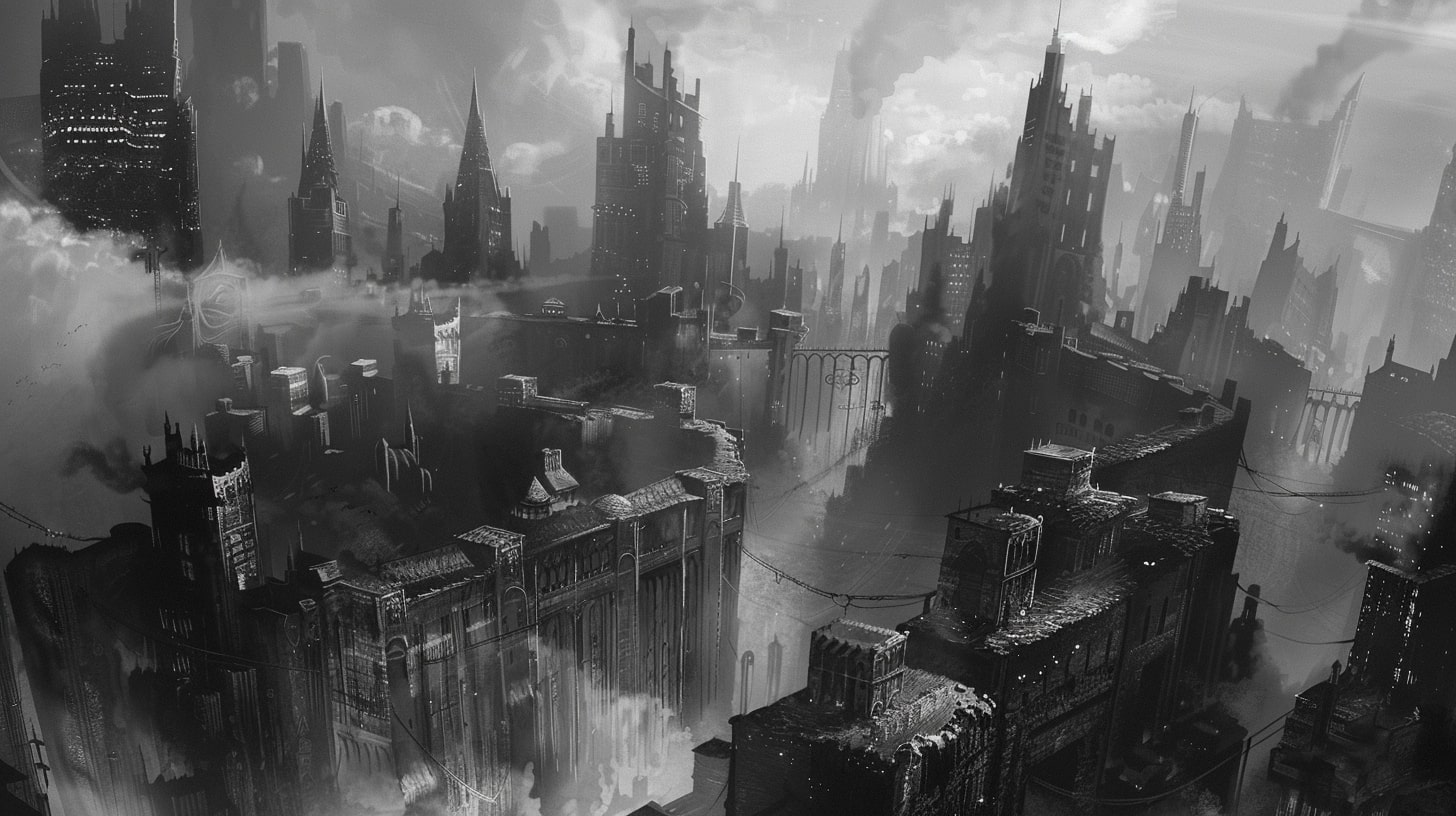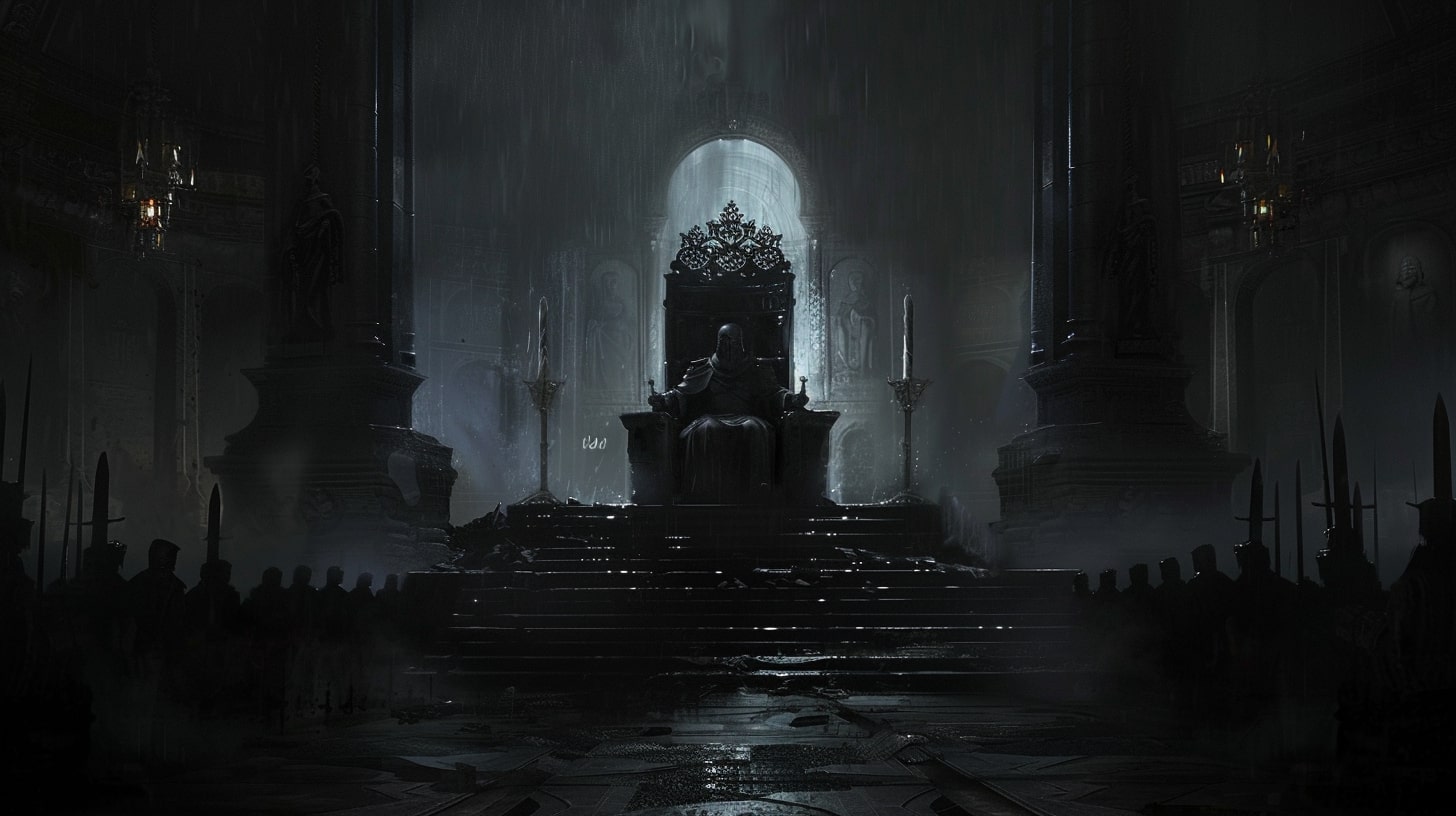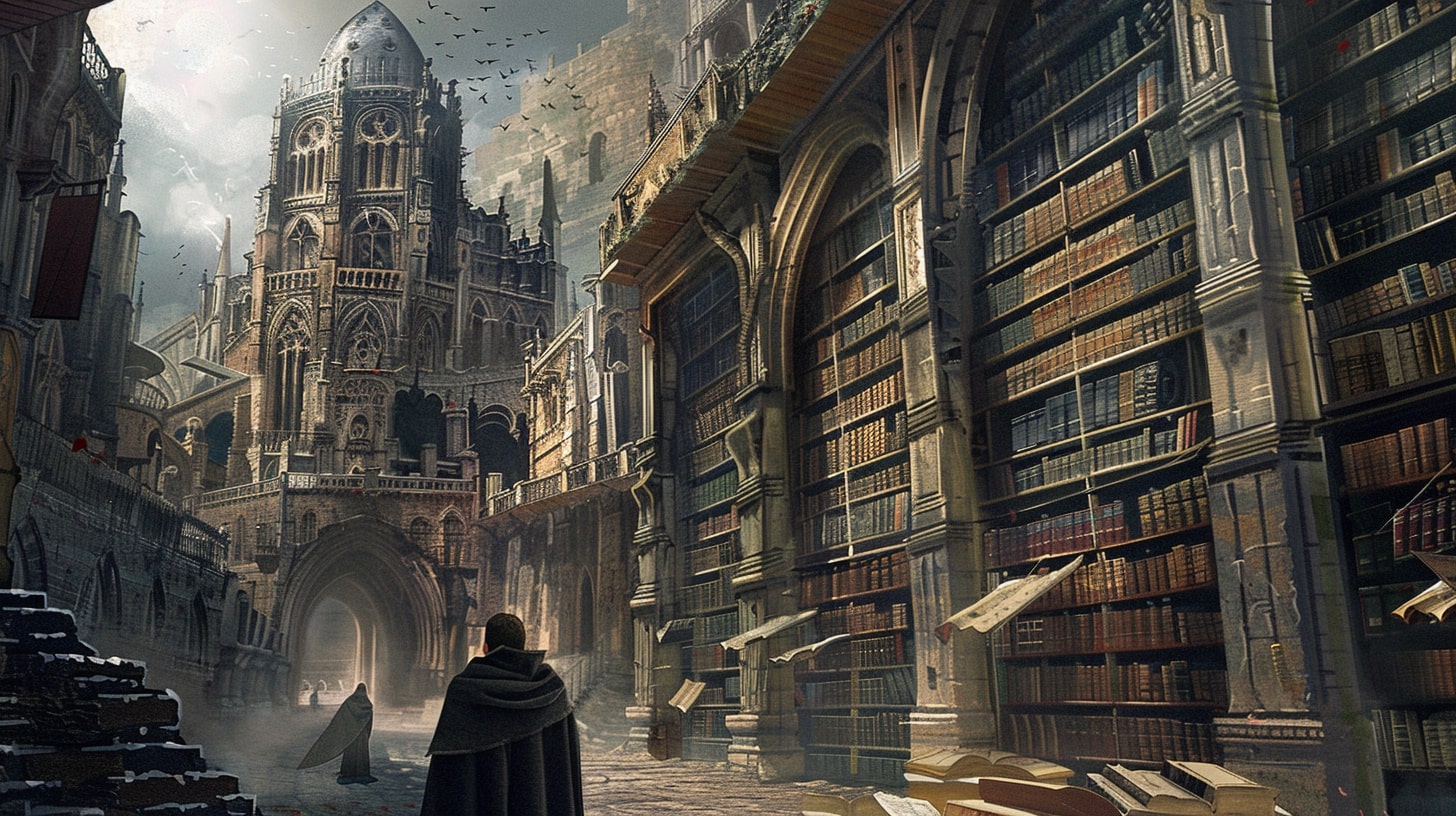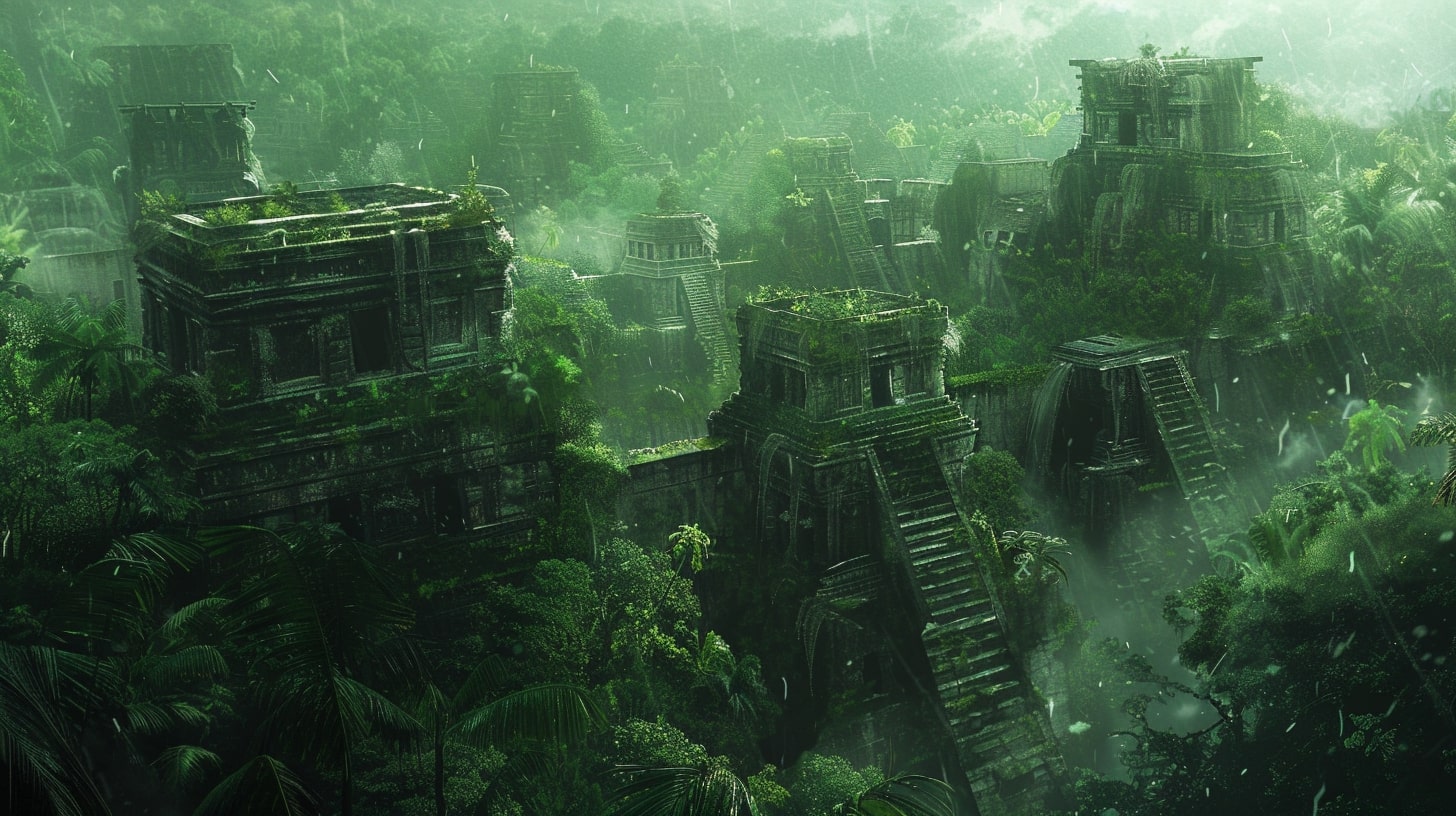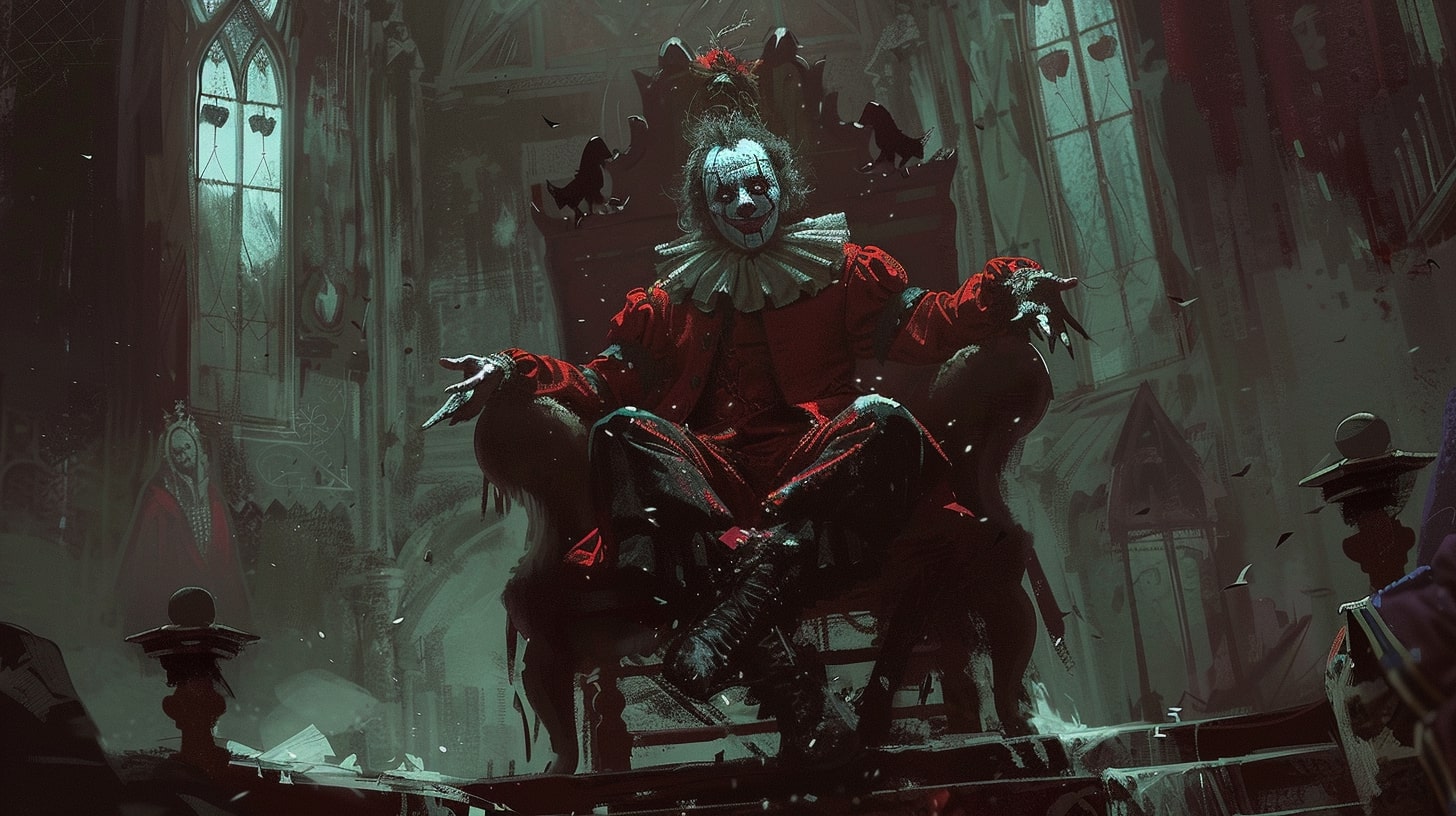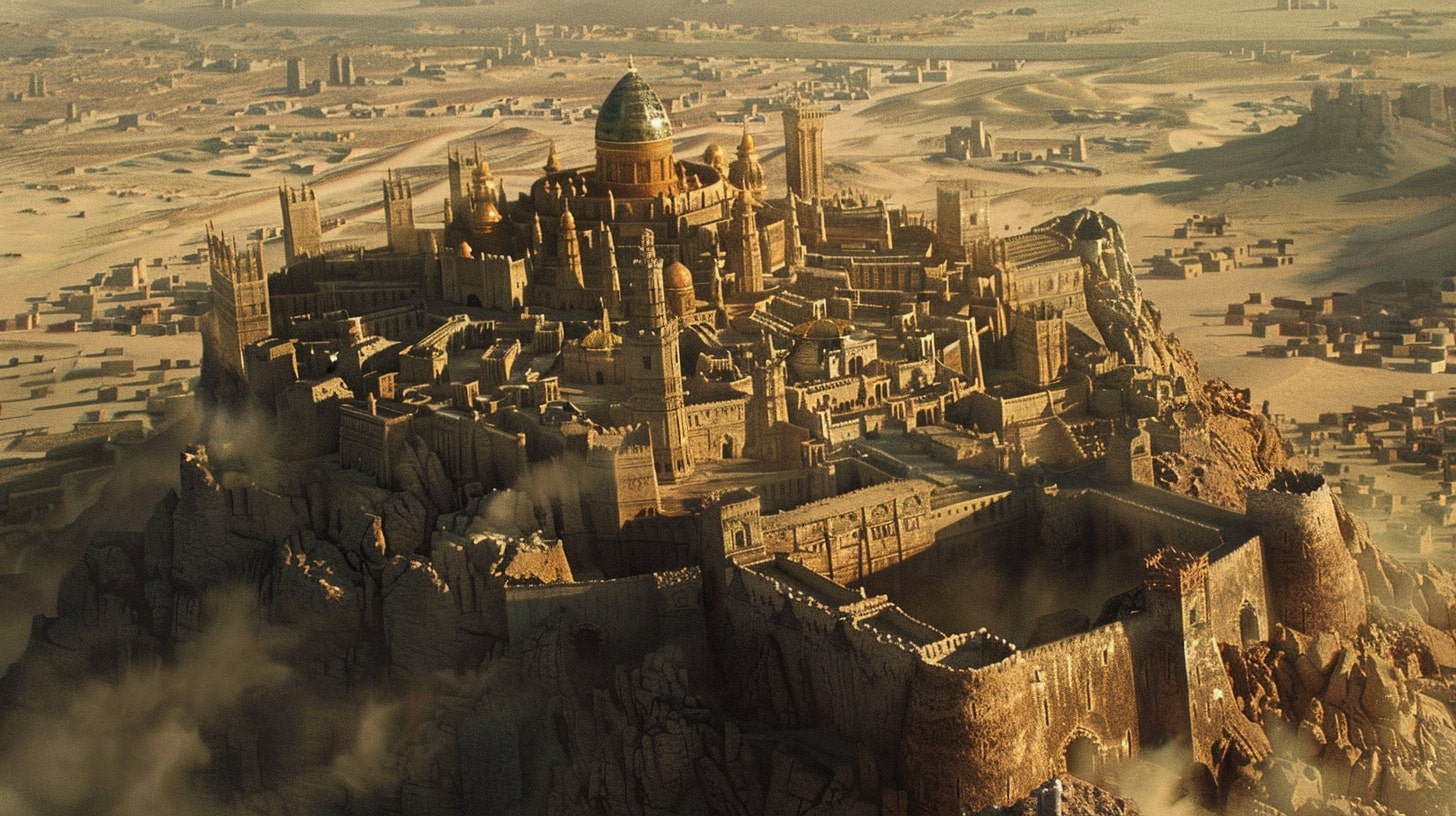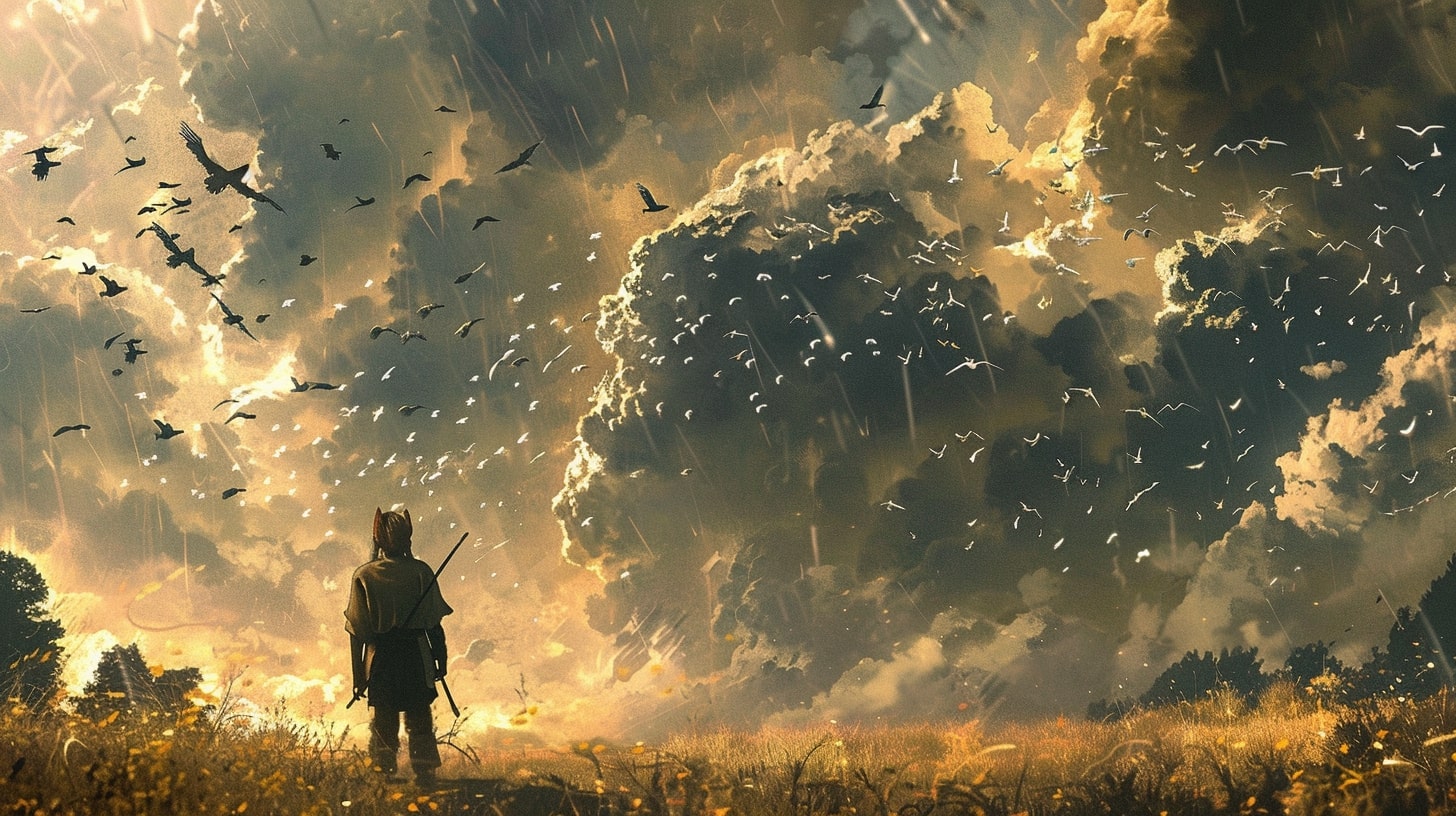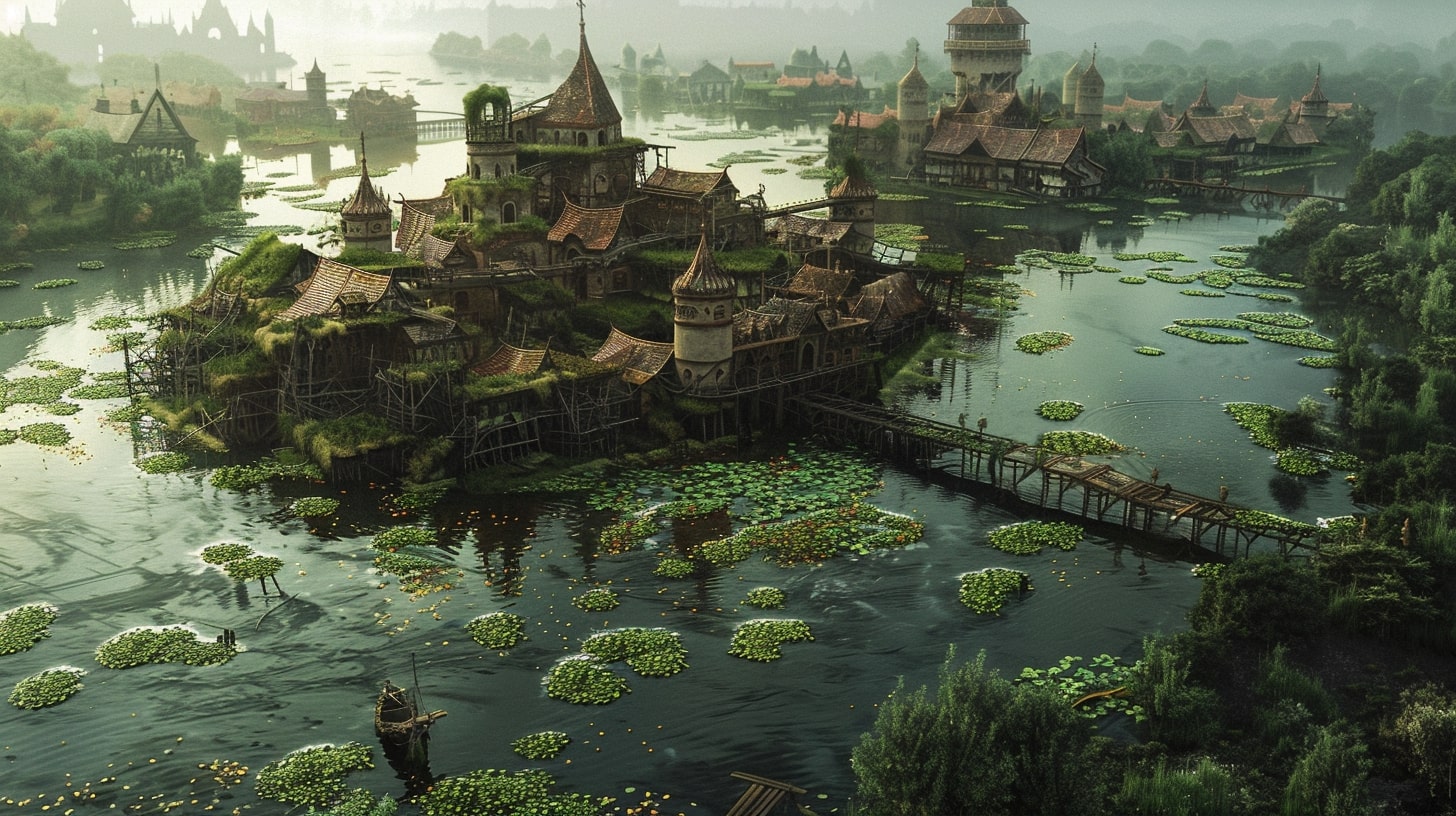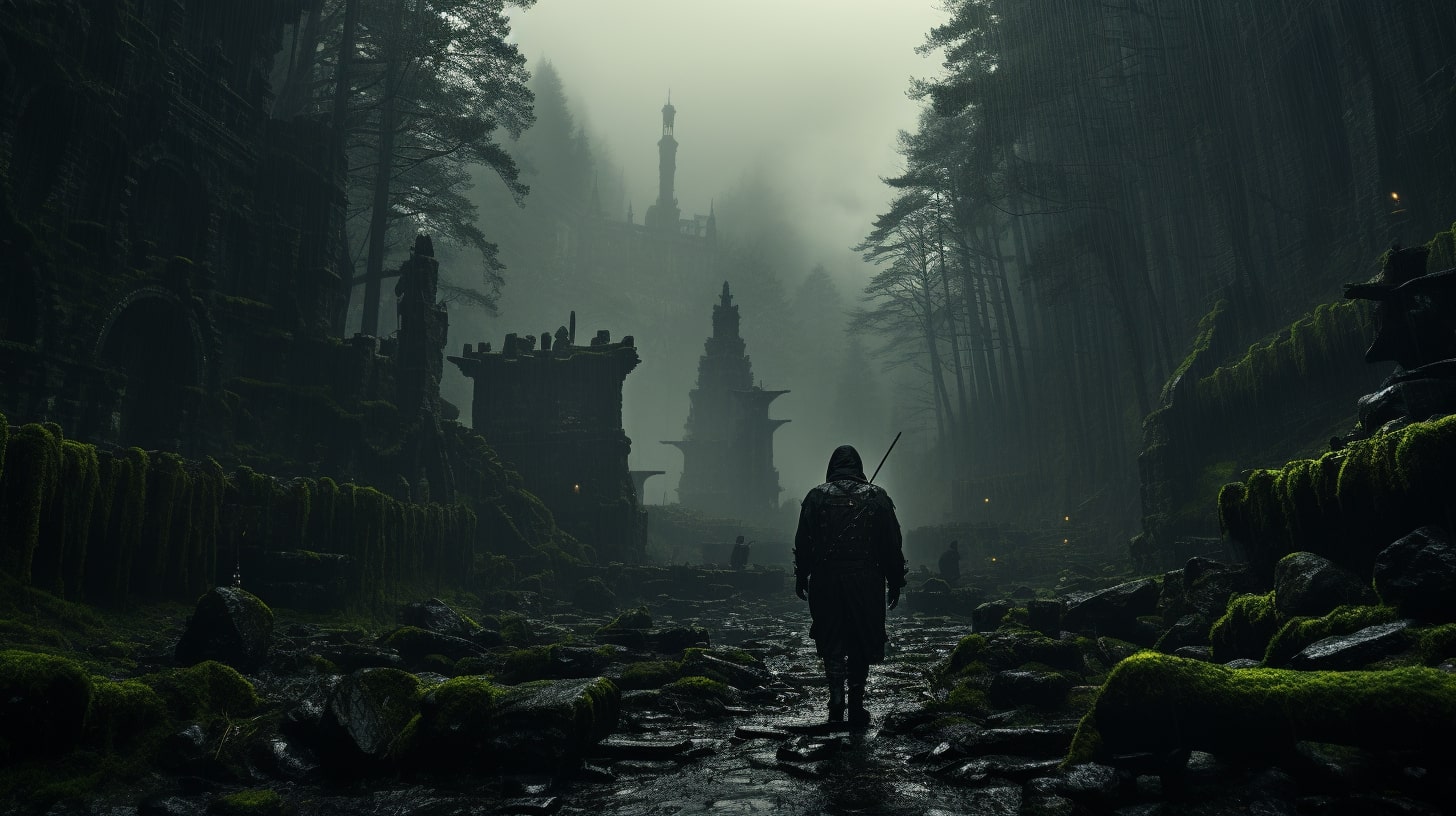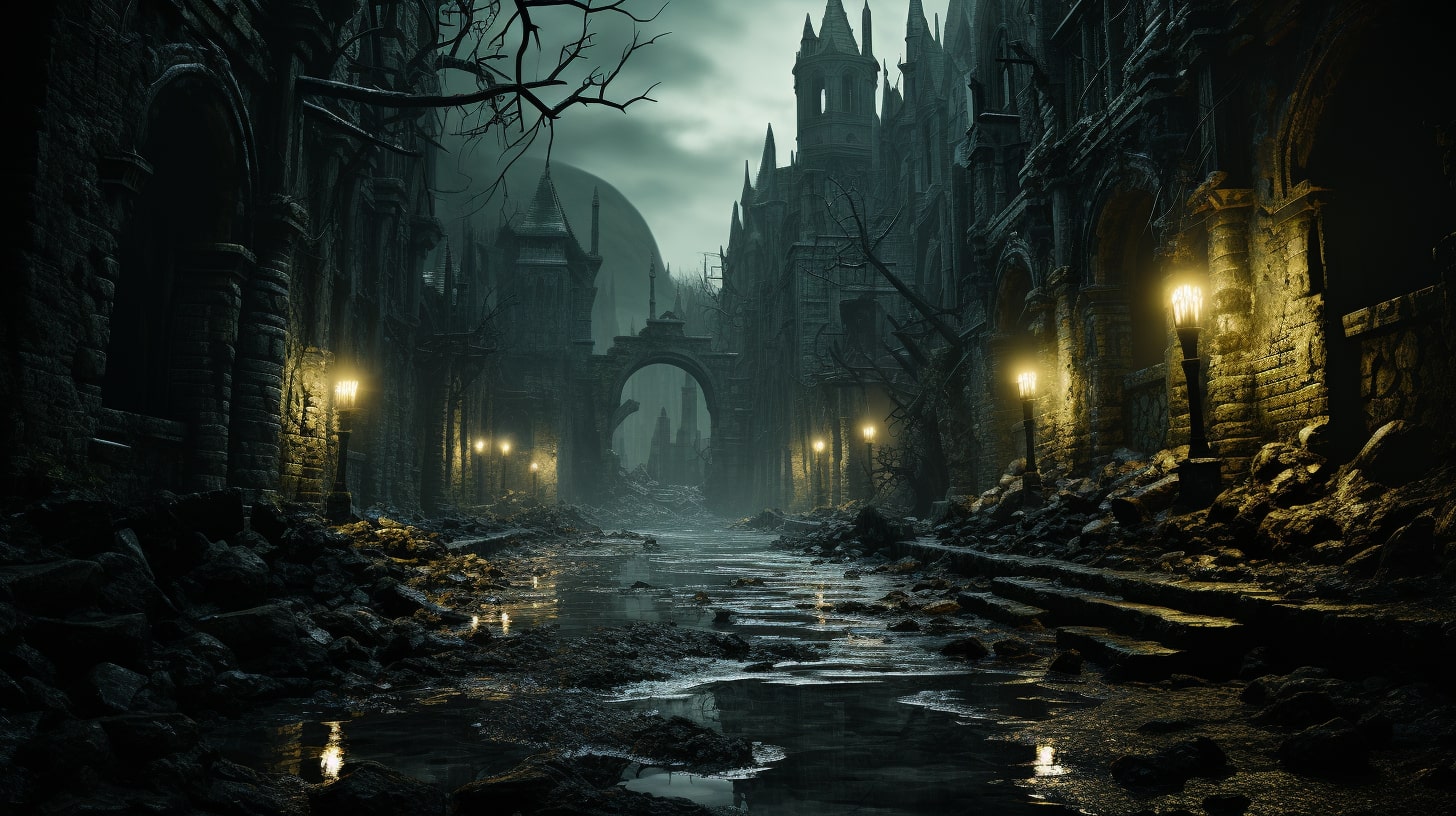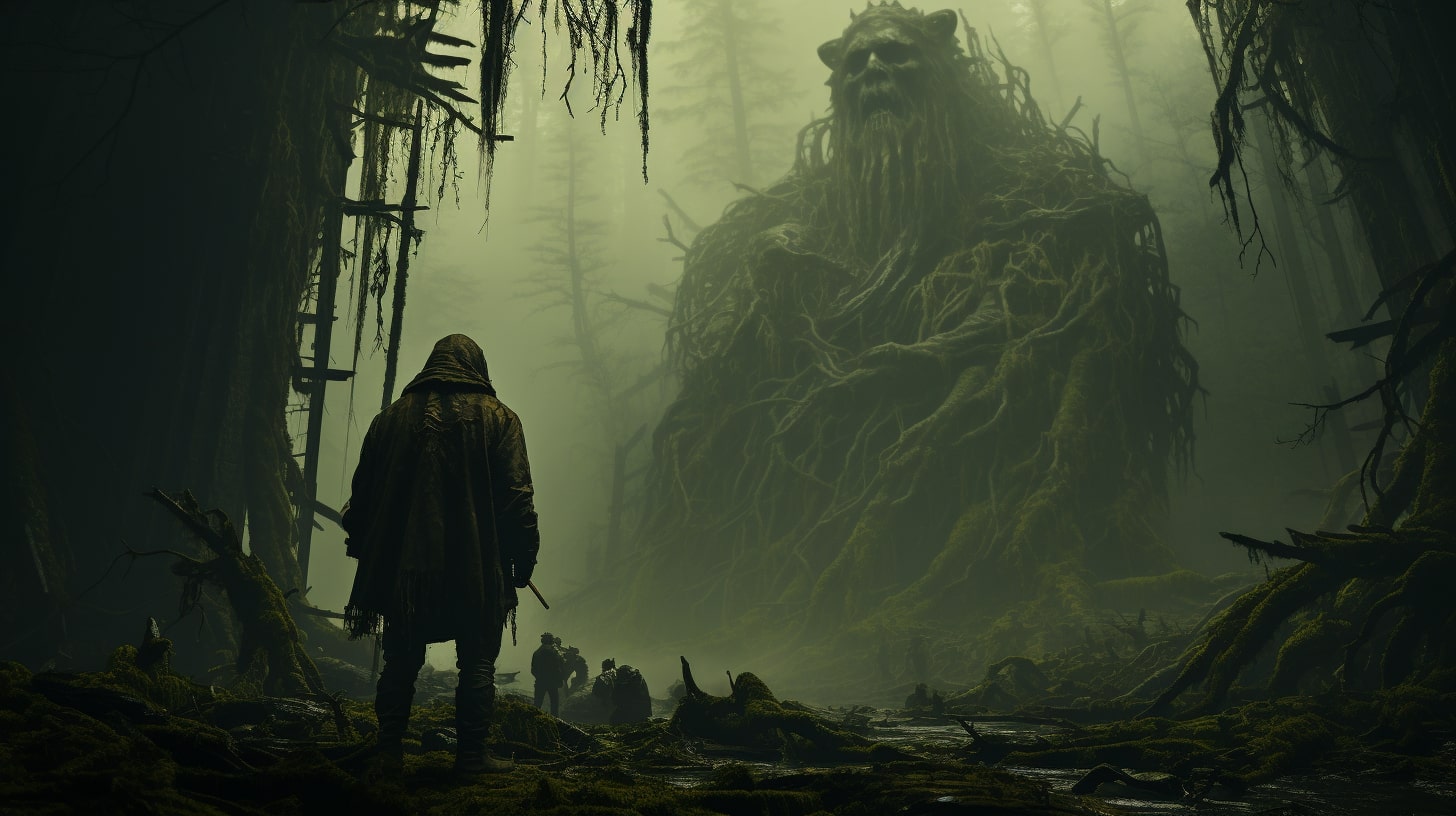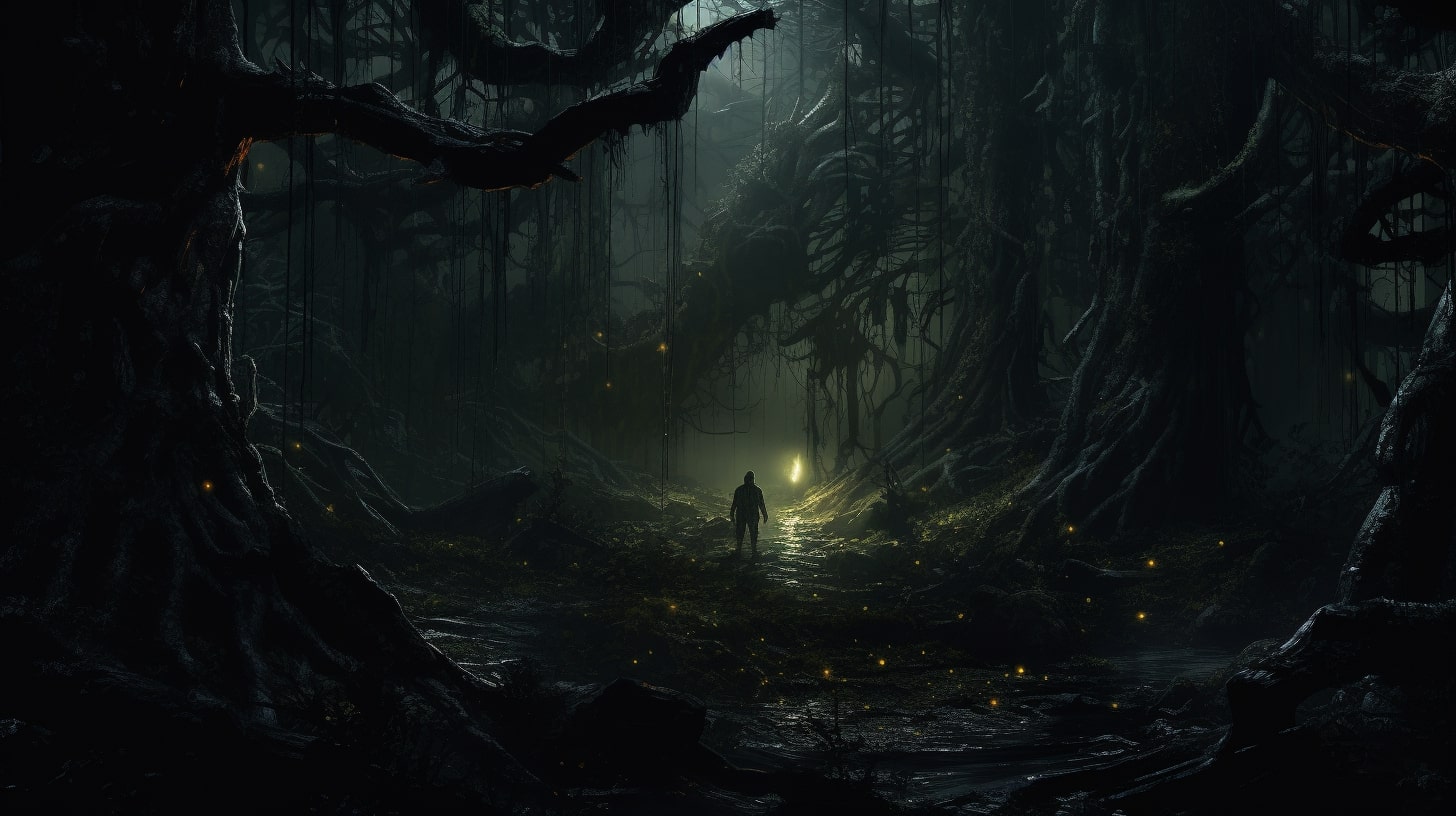
Worldbuilding is the work of deciding how a fictional place operates and then holding yourself to it. Geography, history, who has power, what money buys, how magic or technology bends daily life.
The reader never sees most of it. They feel it, the way you feel a floor is solid before you trust your weight to it.
Most people meet the word through fantasy and science fiction, and that is fair, because those genres have to invent the ground rules from scratch. But worldbuilding is not a genre requirement. It is a property of any story that takes place somewhere.
A contemporary novel set in Seattle has a world. It has weather that shapes moods, a housing market that decides who lives where, a commute that eats an hour of the protagonist's day.
The author who ignores those things is not writing without a world. They are writing with a thin one and hoping nobody notices.
What separates a world that holds from one that leaks is not the amount of detail. It is whether the details constrain each other.
A believable world is a system. Pull on one thread and the others move. Change the price of grain and you change who eats, who revolts, who marries whom to keep a farm.
When a world feels real, that is usually what is happening under the surface, whether or not the writer could name it.
This guide walks through the whole thing. What worldbuilding is and where the term came from, the core elements that make up a world, the split between hard and soft approaches, where to start when the blank page is intimidating, and the failure patterns that show up over and over.
If you want to go deep on a single piece, there are dedicated guides linked throughout for geography, magic systems, hard worldbuilding, and soft worldbuilding.
What Worldbuilding Actually Means
Strip away the mystique and worldbuilding is a set of decisions about how a place works, made consistent enough that a story can happen inside it without falling through the floor.
Those decisions cover more than maps and magic. They cover how food gets grown and who controls the surplus. They cover what a marriage means, what a debt means, what happens to someone who breaks a taboo.
They cover the boring infrastructure that nobody writes scenes about but everybody depends on. The believability of a world lives in the parts the reader never directly sees, because those parts are what make the visible parts feel inevitable instead of arbitrary.
There is a useful way to think about the goal. You are not trying to document a world. You are trying to build enough of it that any door the reader opens has a plausible room behind it.
You will only ever describe a handful of those rooms. But the reader can tell the difference between a writer who knows what is behind every door and one who has painted doors onto a flat wall.
That is why the amount of worldbuilding on the page is almost never the point. The point is coherence.
A single well-chosen detail that implies a working system does more than a paragraph of invented history that connects to nothing.
When Did the Term "Worldbuilding" Originate?
The word is younger than the practice. Writers have been inventing places since Homer laid out a Mediterranean full of monsters and gods, and nobody in antiquity called it worldbuilding.
The term itself started circulating in the twentieth century, and it took hold in the science fiction and fantasy community as those genres matured.
J.R.R. Tolkien is usually credited with proving how far the craft could go, and he did, but he never used the word. He called what he did "sub-creation," a term borrowed from a theory of imagination that framed the human author as making small worlds inside the larger one.
The word "worldbuilding" gained real traction later, in the fantasy and science fiction boom of the 1970s and 80s, when the genres stopped apologizing for themselves and started getting studied.
Since then it has spread well past novels. Tabletop role-playing games run on it. Video game studios employ people whose entire job is world coherence.
Fans build sprawling wikis to catalog worlds that their creators only sketched. The word won because it named something real that a lot of different fields were all doing at once.
The Core Elements of a World
A world is not one thing. It is a stack of interlocking systems, and the writers who struggle usually struggle because they built one layer beautifully and left the others as scenery.
Below are the elements that make up almost every fictional world worth visiting. None of them stands alone. That is the whole point.
Here is the stack at a glance before we walk through each piece.
| Element | The core question | What it shapes |
|---|---|---|
| Geography | Where is everything and why does it matter? | Trade, war, culture, who is isolated |
| History | What happened before page one? | Grudges, borders, why things are the way they are |
| Culture | What do people believe and do? | Daily life, taboos, what counts as normal |
| Politics and power | Who decides, and who really decides? | Conflict, law, the gap between official and actual |
| Economy | Who has what, and how does it move? | Class, motive, what people will fight over |
| Religion and belief | What do people think is true about the universe? | Morality, ritual, institutional power |
| Magic or technology | What can people do that we cannot? | The rules, the costs, the ripple effects |
| Language and naming | How do people talk, and what do names carry? | Texture, history, cultural distance |
Geography
Geography is where a lot of writers start, and for good reason. It is the layer everything else sits on.
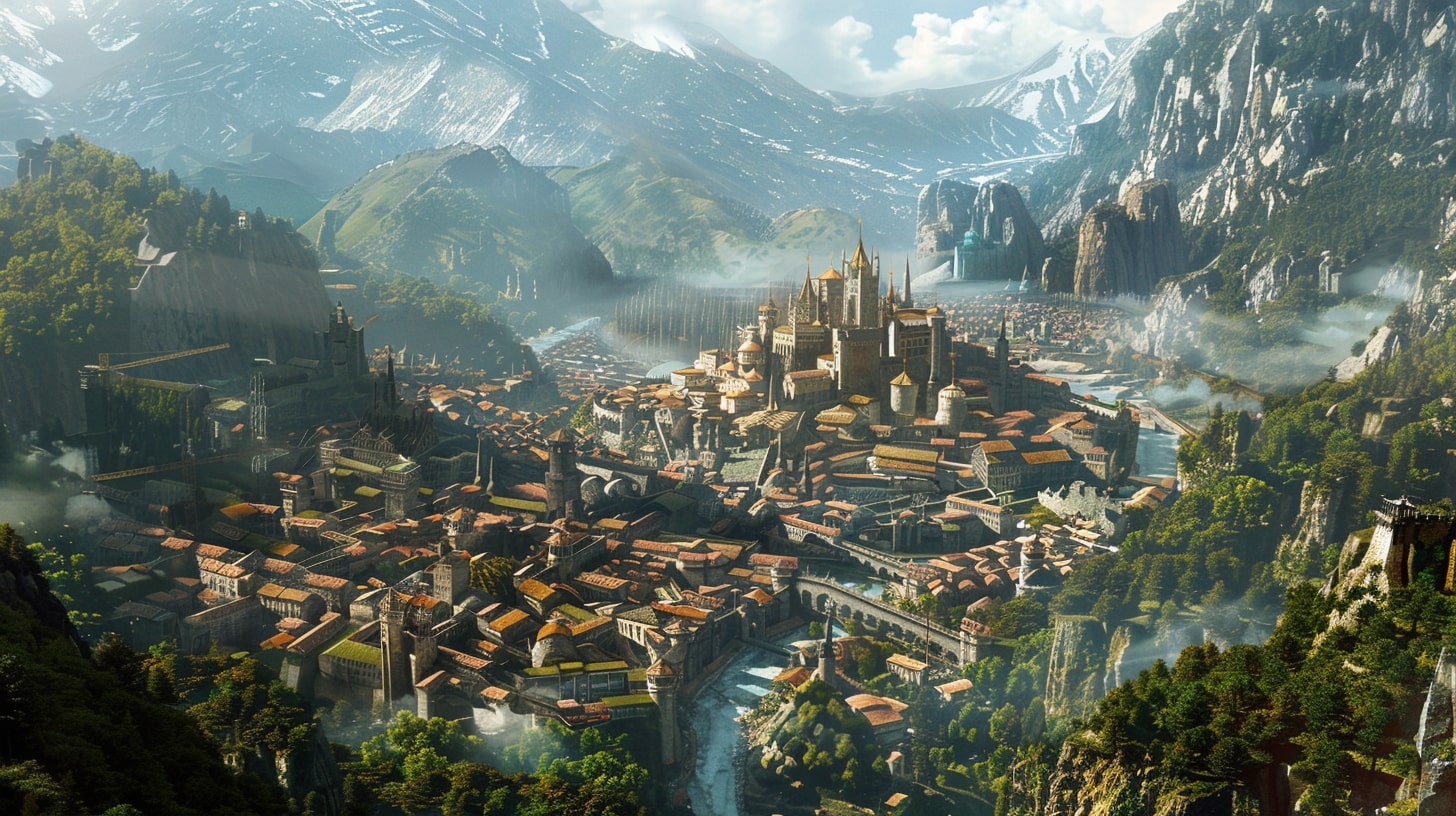
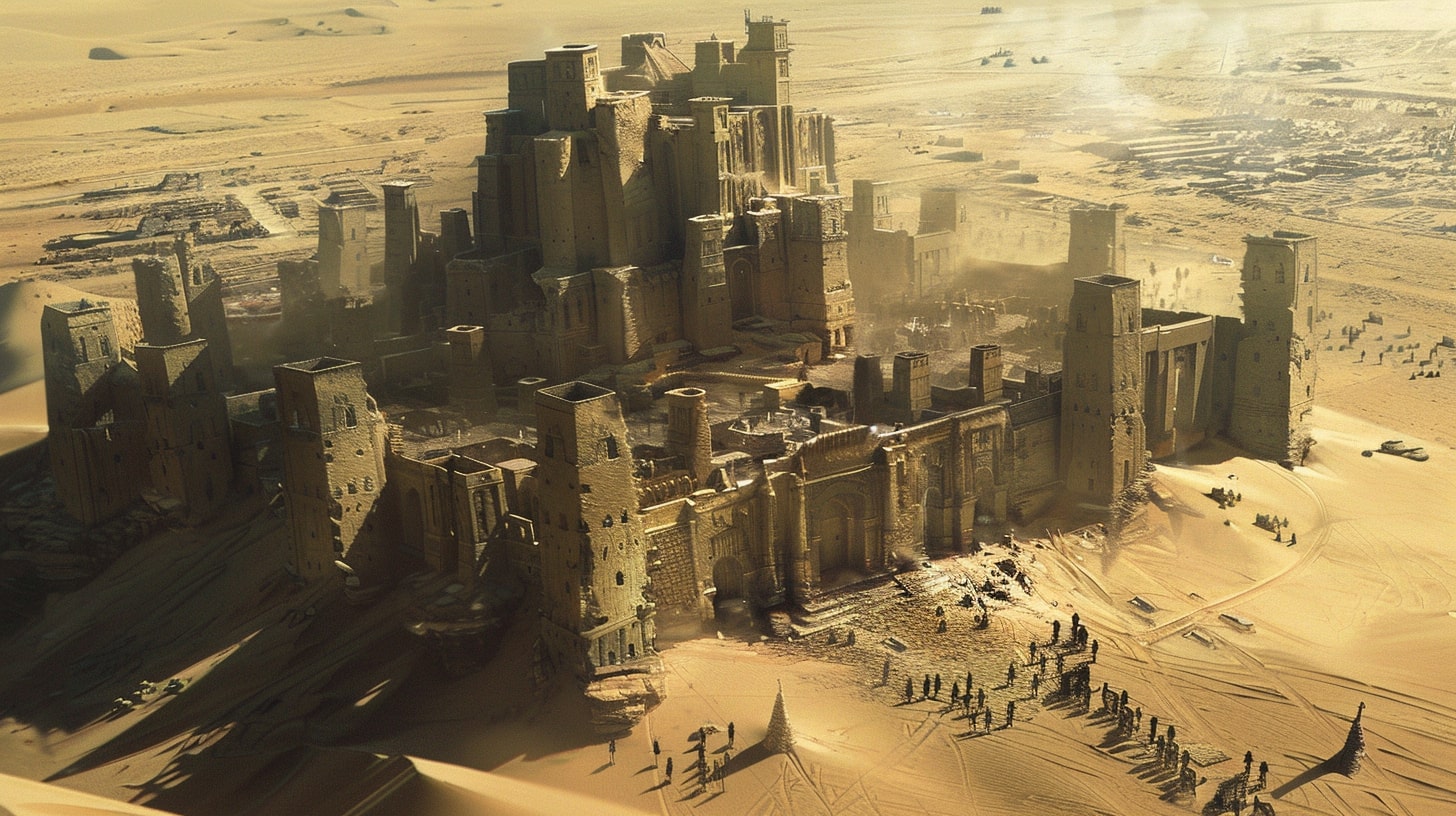
A mountain range decides who trades with whom and who goes to war because they cannot. A river decides where a city grows. A desert isolates a culture long enough for it to become strange to its neighbors.
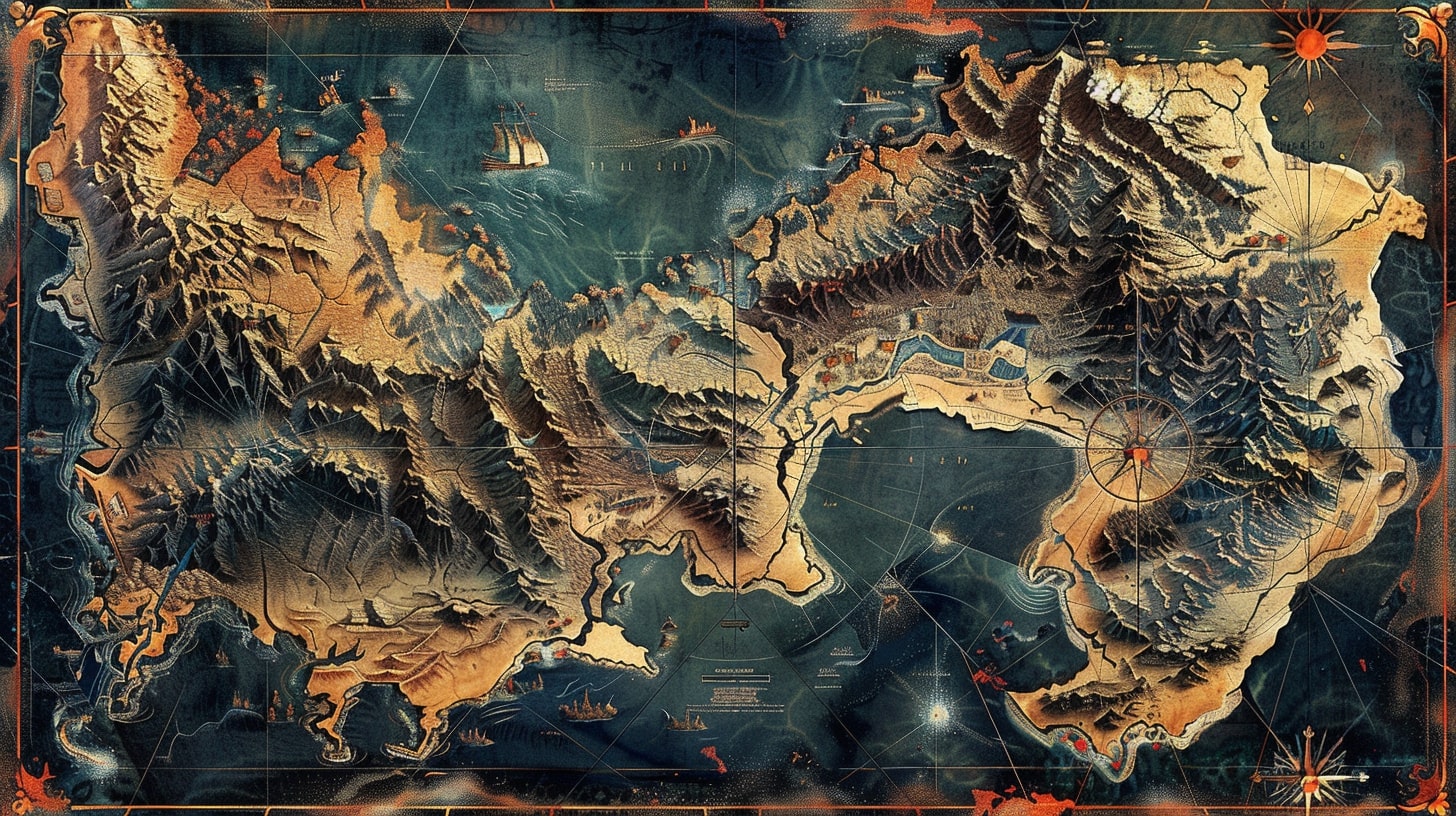
The mistake is treating geography as decoration, a pretty map with an elaborate compass rose and no consequences. Real geography does work.
It explains why one nation is rich and paranoid and another is poor and hospitable. It explains why the food is spiced the way it is and why the architecture leans into wind or away from it.
If your map has a mountain range, someone on one side of it should live differently than someone on the other. The dedicated guide on worldbuilding geography goes deeper on turning terrain into consequence.
History
History is the reason the present looks the way it does. A border is a scar from an old war. A festival is a compressed memory of a plague that ended, or a harvest that saved everyone, or a king who was overthrown.
When history is doing its job, the reader never gets a lecture on it. They feel its weight in how characters distrust each other, in which street the poor live on, in the fact that two families have not spoken in three generations and nobody alive remembers exactly why.
You do not need three thousand years of it. You need enough that the present has causes.
A useful test is to pick any tension in your story and ask what happened before the story to make it inevitable. If the answer is "nothing, it just is," you have found a place where the history is missing.
Culture
Culture is the software running on everyone in your world. It decides what is polite, what is shameful, what gets a person laughed at or exiled or celebrated.
It is the layer writers most often flatten, usually by giving an entire people one trait. The proud warrior culture. The greedy merchant culture.
Real cultures are internally divided, full of subcultures that disagree with each other, carrying contradictions they have stopped noticing.
The way in is the ordinary. What does a normal meal look like. How do people greet a stranger versus a friend. What do parents warn their children about.
When you know how a culture handles the small, repeated moments of a life, the big moments write themselves, because the big moments are just the small rules under pressure.
Politics and Power
Every world has a power structure, and the interesting part is almost never the person sitting on the official throne. It is the gap between who is supposed to have power and who actually does.
The minister who controls the grain. The guild that can shut down a city by refusing to work. The religious order that decides what counts as legitimate.
Official power is written down. Real power is negotiated, and stories live in the negotiation.
When you build the politics, build both layers. Ask who makes the rules, then ask who those rulemakers are afraid of.
The second question is usually where your antagonists come from and where your plot finds its leverage.
Economy
Economy is the layer writers skip most and pay for most. It is not spreadsheets.
It is the answer to a simple question that governs everyone in your world: how do people eat, and who controls whether they get to. Follow that question and you find class, and class is motive.
Who is desperate, who is comfortable, who is protecting a position and who is trying to climb into one.
The economy is also where cool ideas go to be tested. If your world has healing magic, someone owns it, someone sells it, and someone cannot afford it, and that arrangement tells the reader more about the world than any battle.
Plenty of magic systems turn out to be, underneath the spells, systems for deciding who gets drained so someone else can stay full. The magic is the surface. The economy is the story.
Religion and Belief
Belief shapes behavior even when the gods are not real inside the fiction, and it shapes it more when they are. Religion answers the questions people cannot answer with evidence.
What happens after death, why suffering exists, what a person owes to others and to the unseen. Out of those answers come morality, ritual, calendars, and some of the most durable institutions any world contains.
The richest religious worldbuilding treats belief as contested. Not one monolithic faith but competing ones, heresies, lapsed believers, people who perform the rituals without the conviction and people who have the conviction without the rituals.
A world where everyone believes the same thing the same way is a world where nobody has ever had to defend a belief, which means nobody has ever really held one.
Magic or Technology
This is the layer that makes a world speculative, the thing people can do that we cannot. Magic in fantasy, advanced technology in science fiction, and functionally they follow the same rules.
Whatever power you grant, its interest comes from its limits and its costs, and its consequences come from following it honestly to the end.
The failure mode is a power with no price and no ripple. If people can teleport, that does not just move the plot along. It ends the transportation industry, wrecks property values because location stops mattering, and breaks every lock and border in the world.
A power that changes one scene and nothing else is not worldbuilding. It is a plot device wearing a costume.
How tightly you define these rules is exactly the hard versus soft question we get to below, and the full magic systems guide covers the mechanics in depth.
Language and Naming
Language is the finish on everything else, and it carries more than most writers realize. Names encode history.
A city with three names, one from each empire that conquered it, tells you the whole story of the region in a single word choice. The way a character speaks tells you their class, their region, their education, whether they are trying to hide any of those things.
You do not need to construct a full grammar the way Tolkien did, though you can, and the hard worldbuilding tradition often does. You need consistency and intention.
Names from one culture should sound like they belong to the same tongue. A word borrowed across a border should show the wear of the crossing.
Language is where a world stops feeling assembled and starts feeling grown.
Hard Worldbuilding vs Soft Worldbuilding
Underneath all the elements sits a single strategic choice, and it shapes how you use every one of them. How much do you show, and how tightly do you define it?
This is the split between hard and soft worldbuilding, and neither one is correct. They serve different stories.
Hard worldbuilding defines the rules precisely and lets the reader see them. Magic has stated limits. Economies follow logic you could almost audit.
The satisfaction comes from a world that works like a machine, where a clever reader can predict what is possible and gets rewarded when the story pays off a rule that was established two hundred pages earlier.
Brandon Sanderson built a career on this, and Tolkien's languages and lineages sit here too. The hard worldbuilding guide gets into how to keep a rigid system consistent without strangling the story.
Soft worldbuilding keeps the mechanics offstage and trades precision for atmosphere. Magic works because the story needs it to, and the mystery is part of the appeal.
Terry Pratchett and Neil Gaiman lean this way. The rules exist, but the reader is not handed them, and the world feels older and stranger for the gaps.
Done well, it feels like myth. The soft worldbuilding guide covers how to keep that mystery from tipping into incoherence, which is the constant risk.
Most working writers land somewhere in between, and they vary it by element. Precise economics, hazy magic. Rigorous geography, impressionistic religion.
There is also the iceberg approach, where you build far more than you show and let the visible tenth imply the submerged nine. You know exactly how the banking system works. The reader only learns it exists the moment a character cannot make rent.
That combination, deep private knowledge and sparse public detail, is how a lot of the most convincing worlds are actually made.
Where to Start Without Drowning
The most common way worldbuilding fails is not thin worlds. It is worlds so elaborate that no story ever gets written. Twelve magic systems, twenty-seven cultures, a three-thousand-year timeline, and zero finished pages.
The trap is real and it is seductive, because building the world feels like progress while asking nothing as scary as an actual scene. The fix is to start small and let the world grow out of pressure instead of ambition.
Start With an Ordinary Day
Before the epic battles and the world-ending stakes, figure out what a normal, uneventful day looks like for someone who lives in your world. Where do they get their first meal. What is tedious about their commute or their chores. What is the local equivalent of being stuck in a pointless meeting.
This sounds minor and it is the opposite of minor. Readers connect to the small, repeated textures of a life long before they connect to a prophecy.
Nail the ordinary day and you have established that your world is inhabited rather than staged.
Plant One Seed and Follow It
Pick a single thing that makes your world different from ours. It can be enormous, magic is real, or tiny, coffee was never discovered.
Just pick one, then ask the only question that matters: if this were true, what else would be different? Follow each answer to the next question and let the world branch out from that one change.
Take a seed as clean as "people can teleport at will after they turn eighteen." Follow it and the world builds itself. Banks stop trusting walls, so security becomes about detection rather than barriers.
Locks lose their meaning and something replaces them. Family life warps, because a teenager who can vanish to another continent cannot really be grounded, and running away from home stops being a metaphor.
The transportation economy collapses and a new economy grows in the space it leaves. One honest seed, followed without flinching, produces more usable material than you could fit in three novels, and all of it coheres because it grew from the same root.
Leave Empty Space on Purpose
A world does not need to be finished, and it should not be. Unbuilt space does three jobs at once.
It leaves you room to invent as the story demands rather than locking in choices you will regret. It creates mystery, because readers are drawn to the edges of what they are shown. And it keeps you from burning out on a continent's worth of detail that no scene will ever use.
Build the world solid where the story touches it, and let the rest stay fog. The fog is not a gap. It is the thing that lets the solid parts feel like they extend past the frame.
The Worldbuilding Checklist
Here is the short version of everything above, shaped into questions you can actually answer in one sitting.
Two rules before you start. Answer in one or two sentences, not one or two pages, because the goal is a decision you can build on rather than an entry you can admire. And skip anything your story does not touch yet, because leaving items blank is the point rather than a failure, and a blank you fill later under pressure from a scene will always be better than one you filled in advance out of duty.
Fourteen questions. Work down the list once, then go write something and come back when the writing tells you which blanks it needs.
The ground
- Where does your story happen, and what does the terrain make hard or easy for the people there?
- Name one thing on the map that separates two groups. What do they get wrong about each other because of it?
The past
- Pick the central tension in your story. What happened before page one to make it inevitable?
- What is one thing everybody remembers, and one thing everybody has agreed to forget?
The people
- What does an ordinary, uneventful day look like for your main character?
- Name a group inside this culture that disagrees with the rest of it.
Power and money
- Who is supposed to be in charge, and who actually is?
- How does someone poor in your world eat, and who controls whether they get to?
- What do people believe about death, and which institution profits from that belief?
The impossible part
- What can people do in this world that we cannot?
- What does it cost them, every single time, with no exceptions?
- What is the obvious way a character could use this to solve the whole plot, and what stops them?
The finish
- Say three place names out loud. Do they sound like they came from the same tongue?
- Write down the rules that can never change, however few. That page is your constitution.
When a section stalls, that usually means the layer under it is thin rather than that you lack ideas, and the worldbuilding elements breakdown is the place to go dig. If you would rather work from a printable version, the standalone worldbuilding checklist covers the same ground in a format you can keep beside the draft, and the worldbuilding exercises page turns several of these questions into drills you can run on a world you have already started.
Common Worldbuilding Mistakes
The same failures show up across genres and experience levels. Knowing their shapes is most of the battle, because these are easier to spot in someone else's draft than in your own, and easier still once you know exactly what you are looking for.
The Too-Perfect System
A writer invents a system, magical or social or technological, and makes it work flawlessly. That flawlessness is the problem.
Perfect systems are inert. They have no friction, which means no conflict, which means nothing for a story to grab.
Every real system has costs, competing demands, and maintenance that somebody resents paying. Give your systems a price and a failure mode.
A world where the magic never misfires and the government never fails anyone is not utopian. It is dead.
The "But Why Don't They Just" Hole
A reader looks at your careful plot and asks why the characters do not use the obvious solution you did not think of. Why not kill the villain while he sleeps. Why not use the power to get rich instead of fighting. Why not just tell each other the truth.
These holes come from building a system without stress-testing it against a reader who wants it to break. The defense is to be that reader first.
Attack your own world, find the easy exits, and either close them with a real in-world cost or build a reason nobody takes them.
The Kitchen Sink
Every cool idea gets thrown into one world. Dragons and spaceships and vampire cowboys and time-traveling assassins, all at once.
The result is not richness. It is noise. Too many core concepts compete for the reader's attention and none of them gets room to matter.
Before an element earns a place, it should have to answer why it belongs, why the story needs it, and why it works alongside everything else already there. A world with three ideas that reinforce each other beats a world with fifteen that do not.
The Tone Mismatch
A cool idea gets dropped in without regard for whether it fits the world around it. Modern slang in a medieval court. A technology level that contradicts the social structure that would have had to produce it. An economy that would collapse in a week if anyone did the arithmetic.
These break immersion not because they are impossible but because they are unsupported. Every element should be able to answer how it came to exist, what sustains it, and what would destroy it.
If it cannot, it is floating, and readers feel floating things even when they cannot name the problem.
Keeping It All Consistent
Once a world has real moving parts, the challenge shifts from invention to memory. You cannot hold every rule in your head, and the moment you contradict yourself, the reader's trust starts leaking.
This is where a system helps more than talent.
Keep a short core document, one page, of the non-negotiable rules. The fundamental limits, the essential systems, the things that must stay true no matter what.
Everything else can live in looser notes, but the core sheet is the constitution, and you check new ideas against it before you commit them.
When something in the world changes, write down what changed and what it touches, because a change to one system almost always ripples into two others you will forget about otherwise. Writers who worldbuild in a linked tool like Obsidian get this ripple-tracking for free, since the connections between elements become visible.
The Obsidian worldbuilding guide covers that setup in detail.
Then stress-test. Run a normal day for a wealthy character and a poor one and see if both make sense. Break a system on purpose, cut off the food supply or the water or the flow of information, and check whether your world has a plausible response or just goes quiet.
Follow a resource from where it is produced to where it is consumed and make sure someone controls every step. These tests find the cracks while you can still fix them, which is the entire goal, because the reader will run these same tests whether you invited them or not.
The One Rule Under All the Others
If everything above collapsed into a single principle, it would be this: every element of the world should earn its place by serving the story. Not by being clever. Not by being complete. By doing work.
That does not mean everything has to be plot-relevant. A detail can earn its place by setting mood, by revealing character, by deepening a theme, by making a later moment land harder.
The tavern the characters pass through should tell you something about the economy or the class system or where these people stand in it. But an element that connects to nothing, a magic system with seventeen schools that never touches the plot, a constructed language nobody in the story speaks, is just decoration you spent months on.
The rule keeps you out of the rabbit holes that feel productive and produce nothing.
The deepest worlds tend to share a quality that has nothing to do with detail count. They feel like systems, where the parts constrain each other and pulling one thread moves the rest.
Get that interlock right and a world reads as real even when the reader could not tell you why. Miss it and no amount of appendix material will save you, because the reader will feel the parts sitting next to each other instead of holding each other up.
That feeling, whether the world is a system or a pile, is the thing you are actually building toward. Everything else is in service of it.
FAQ
What are the main elements of worldbuilding? The core elements are geography, history, culture, politics and power, economy, religion and belief, magic or technology, and language. None of them works in isolation.
A strong world comes from making these layers constrain each other, so that a change in one forces changes in the others rather than each sitting in its own box.
What is the difference between hard and soft worldbuilding? Hard worldbuilding defines the rules precisely and shows them to the reader, so the world works like a machine with predictable logic, as in Sanderson or Tolkien. Soft worldbuilding keeps the mechanics offstage and trades precision for atmosphere and mystery, as in Pratchett or Gaiman.
Most writers blend the two, going hard on some elements and soft on others.
How do I start worldbuilding without getting overwhelmed? Start small. Figure out what an ordinary, uneventful day looks like for someone in your world, then plant one seed, a single thing different from our reality, and follow it by repeatedly asking what else that change would affect.
Leave large parts of the world unbuilt on purpose so you have room to invent as the story needs it.
Do I need to build an entire world before I start writing? No, and trying to usually stops the writing entirely. Build the world solid only where the story actually touches it, and leave the rest as implication.
The reader needs to believe there is more beneath the surface, not to be shown all of it. Deep private knowledge with sparse public detail is how most convincing worlds are made.
What is the most common worldbuilding mistake? Building a system so perfect it has no friction. Flawless systems have no conflict and nothing for a story to grab, so they read as dead.
Every system in a believable world has costs, limits, and failure modes, and the most immersive worlds are the ones where those weak points are visible and load-bearing.
Does worldbuilding matter for non-fantasy fiction? Yes. Any story set somewhere has a world, whether it is contemporary, historical, or literary. The weather, the local economy, the social rules, and the geography all shape the characters and the plot.
The genres just make the work more obvious because they invent the ground rules from scratch instead of borrowing ours.