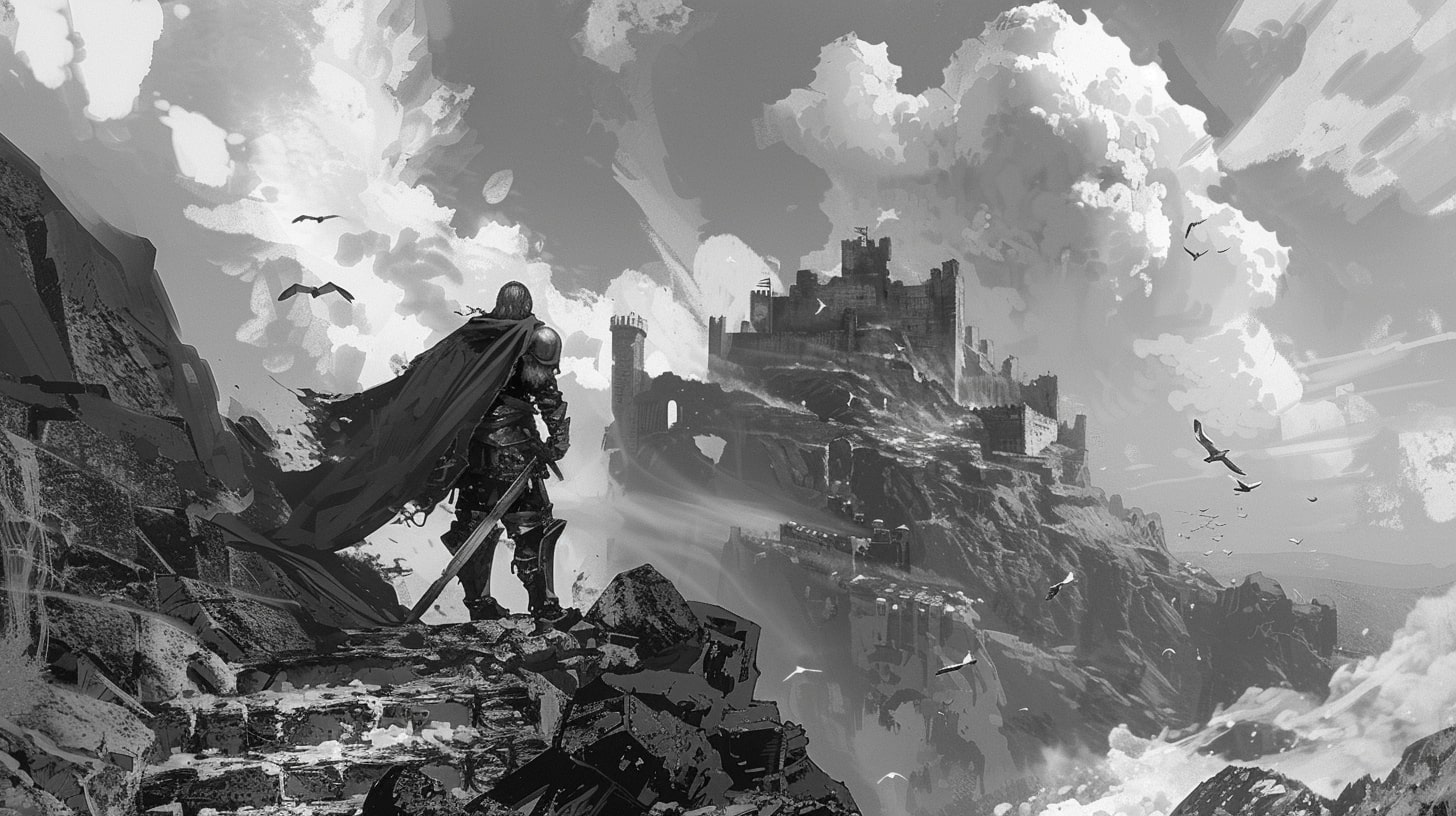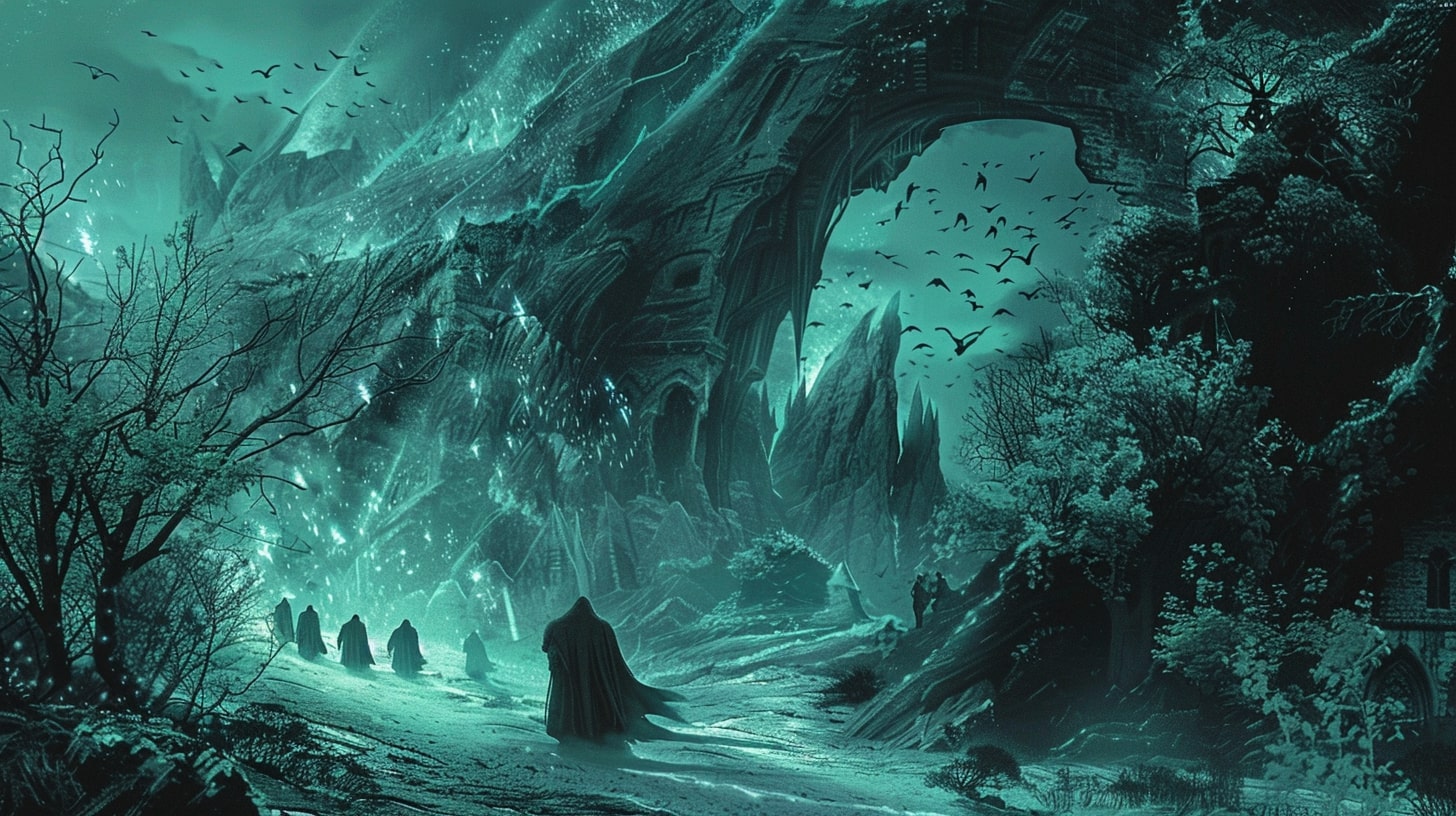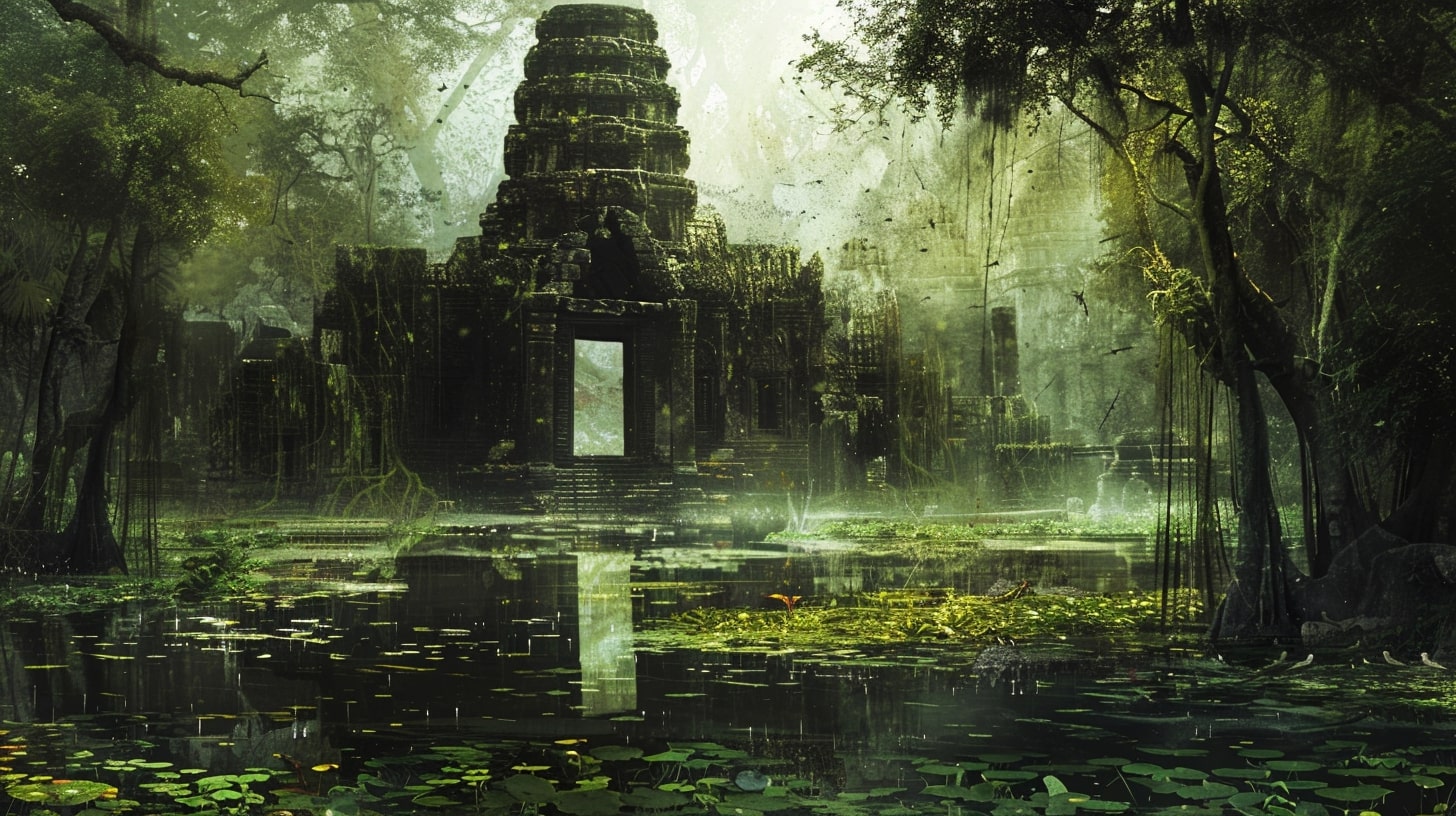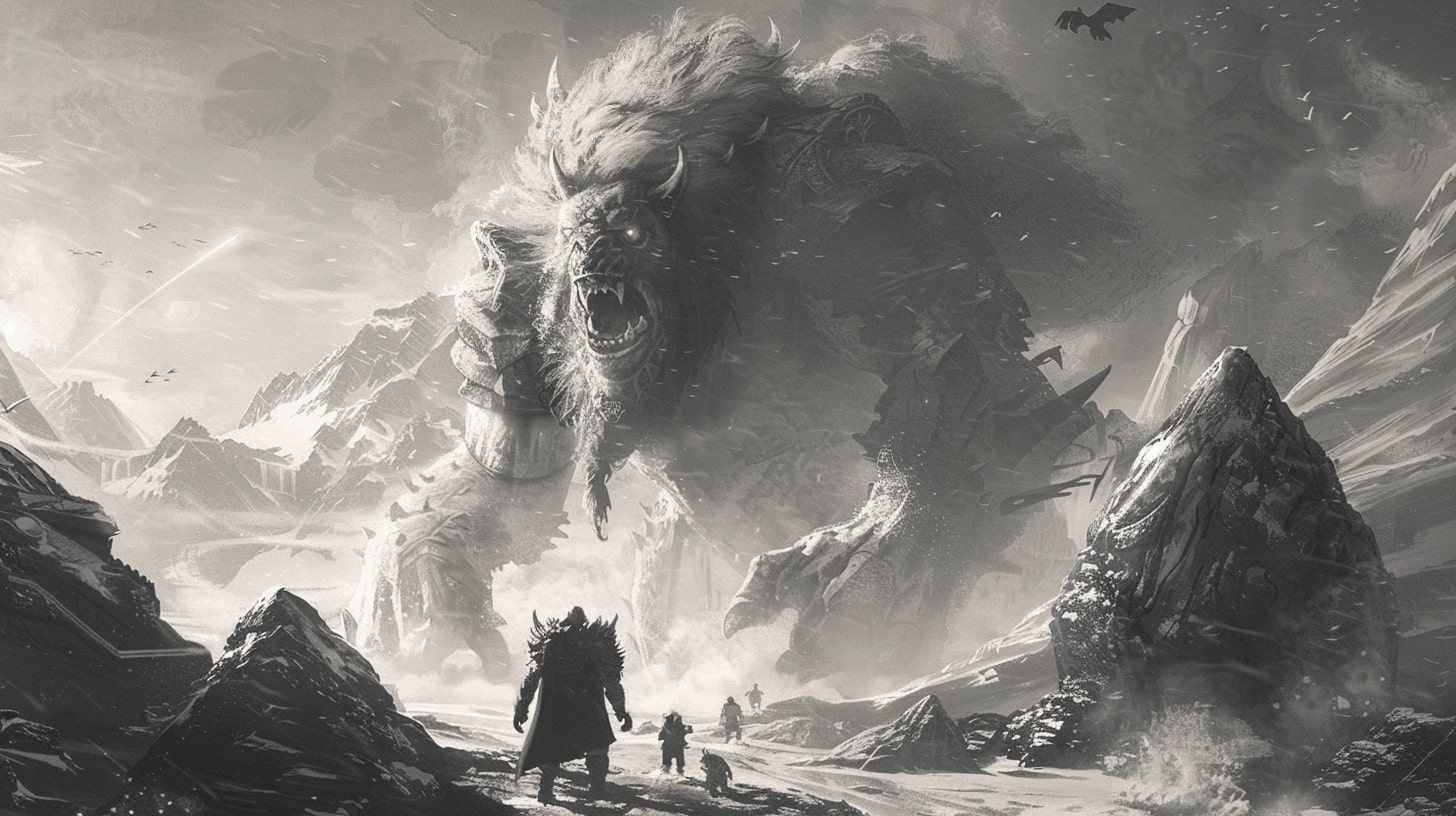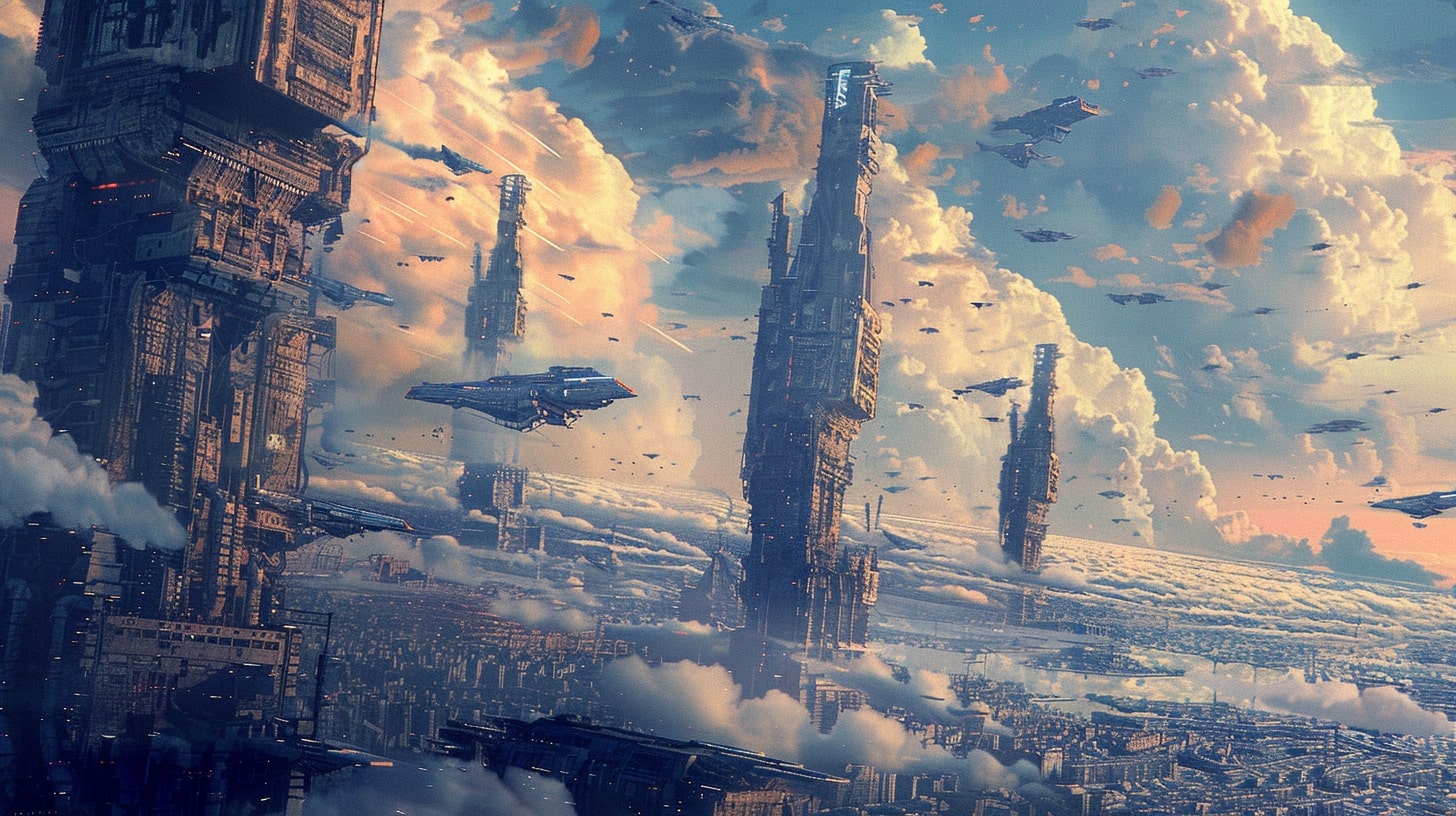
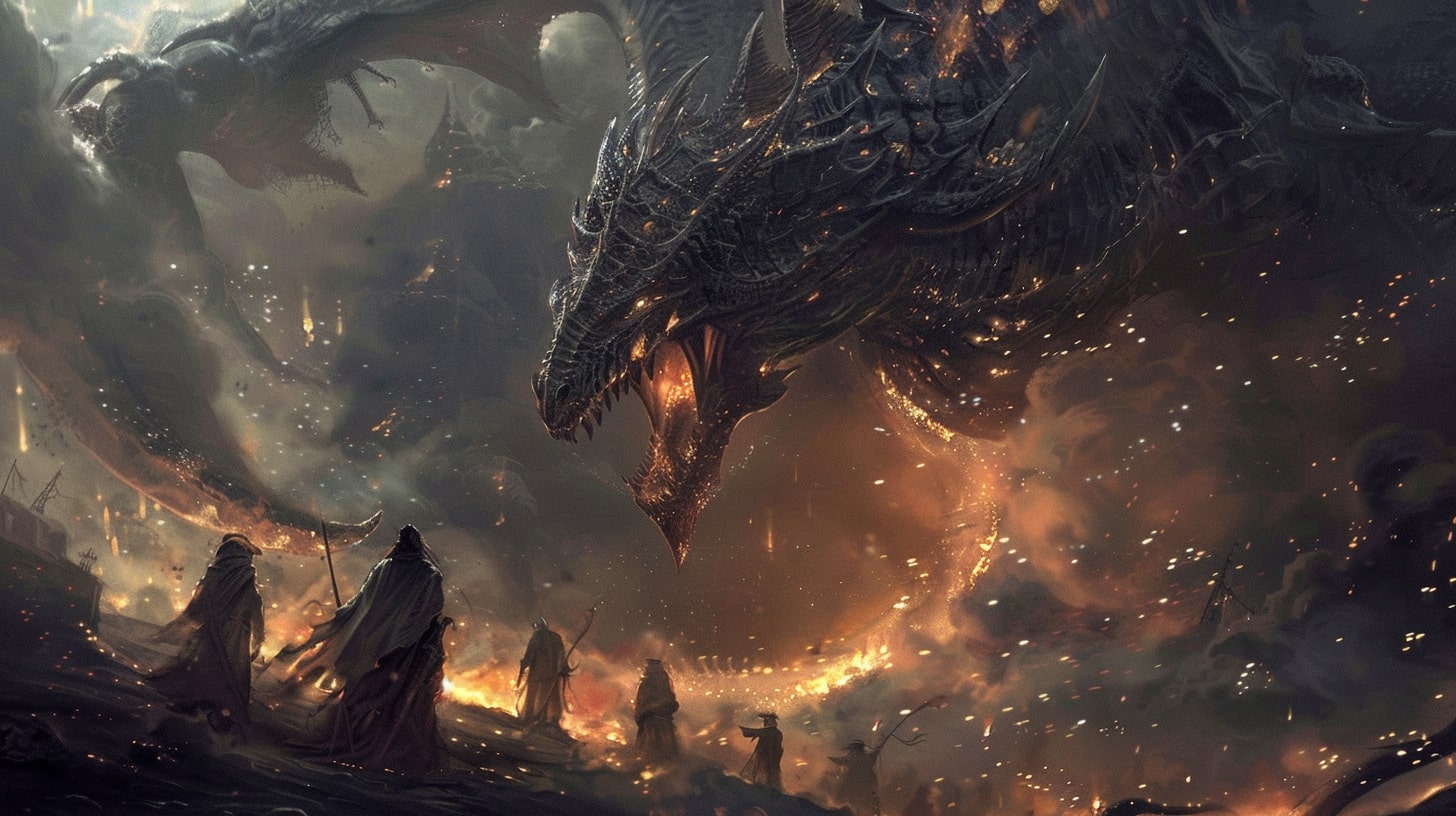
Hard worldbuilding is a systematic, documented approach to building a fictional world, one where the rules hold up when a reader asks how does that actually work. The magic has costs. The kingdom has an economy. The dragons have a reason they never took over.
The whole point is consistency. A world where the rules stay put is a world the reader can trust, and a reader who trusts the rules will follow you a long way.
This is not about writing a thousand pages of appendices before chapter one. It is about knowing enough that nothing in your story contradicts itself, then revealing only the part the story needs.
What hard worldbuilding actually is
Hard worldbuilding means the underlying systems of your world are worked out and written down. You know how magic functions, who holds power, and where the money comes from. When a question comes up, there is an answer, and the answer was there before the question.
The opposite end is soft worldbuilding, where you give the reader an impression and let their imagination fill the gaps. Most people treat these like a choice between two teams. They are not teams. They are a spectrum, and almost every good writer lives somewhere in the middle.
Here is the part that trips people up. Hard and soft describe two different things at once. One is how much work you do behind the scenes. The other is how much of that work shows up on the page.
Tolkien did enormous hard worldbuilding and then revealed almost none of it directly. We never get a manual for how Gandalf's power works. We just feel the weight of a world that clearly has one.
So the useful version of hard worldbuilding is this. You do heavy, consistent work in private, and you show the reader only the ten percent that serves the story. That is the same idea behind iceberg worldbuilding, the ninety percent stays underwater and the surface reads as depth.
The techniques that actually hold up
The rest of this is method. None of it requires software or a decade of your life.
Start with limitations and cost, not powers. What magic cannot do matters more than what it can. A power with no cost is a power with no story, because there is nothing to lose and no choice to make. Figure out the price first. The abilities will arrange themselves around it.
This is also the foundation of a hard magic system, where readers understand the rules well enough to predict what happens next. Constraints are where conflict comes from.
Trace the causal chains. Take any element and follow it outward using because, therefore, but. Magic exists because of X. Therefore society organized around Y. But that created problem Z. If you cannot draw those lines, the element is floating, and floating elements are the ones that contradict each other later.
Start small and expand outward. Build the one city your story opens in before you map the continent. Most abandoned worldbuilding dies from the opposite instinct, drawing three thousand years of history for a story that takes place over a week.
Cover the load-bearing systems. You do not need every detail, but the big ones need to exist. Social structure and class. Politics and who actually holds power. The economy and where wealth comes from. Religion and what people believe. The military and who fights. Geography and climate. Crime and the things that happen in the shadows. Not all of these get equal time. A political story leans on power and class. An adventure leans on geography and conflict. Develop what your story leans on.
Keep a world bible. Write the rules down as you make them. You will forget why magic does not work on the third day of the month, and the moment you forget is the moment you contradict yourself in chapter twenty. It does not matter whether it lives in a notebook or a database. It matters that you can find things in it.
Stress-test with what if. What if the magic stopped tomorrow. What if the king died tonight. What if the trade routes closed. A world that survives those questions is solid. A world that falls apart under them needs more work before you build on top of it.
Learning from writers who did it well
The best way to understand hard worldbuilding is to watch people who ship it.
Brandon Sanderson wrote the cleanest rule for this. His First Law says your ability to solve a story problem with magic is directly proportional to how well the reader understands how that magic works. If you want the magic to save the day satisfyingly, the reader has to know the rules before the day needs saving. Otherwise it reads as a cheat, the author bailing out the hero.
Sanderson front-loads limitations for exactly this reason. He spends more time on what magic costs than on what it does. His other rule is expand what you have before adding something new. Instead of ten magic systems, take one and follow it into architecture, warfare, religion, and law. Depth of one idea beats breadth of ten.
Tolkien worked from the other direction and still ended up systematic. He was a linguist, so he built languages first, then grew cultures out of the languages, then history out of the cultures. Everything connected because it all came from the same root. The lesson is not that you should invent languages. It is that building from the thing you genuinely care about produces more convincing detail than forcing yourself to develop what bores you.
N.K. Jemisin grounded the magic of the Broken Earth trilogy in real geology. The tectonic forces in that world behave like tectonic forces do, and that real-world backbone is a large part of why the fantasy feels solid. You do not need a science degree. You need to know what your invented thing is standing on.
The shared lesson across all three is the same. Start with what fascinates you, develop it systematically, and let that one deep thing shape everything around it. For more on how these systems fit together, the broader worldbuilding guide covers the connections between them.
The mistakes that kill hard worlds
Most hard worldbuilding fails in predictable ways. Here are the ones worth watching for.
Never finishing the world. This is the big one. Worldbuilding is more comfortable than writing, because a world can always be a little more detailed and a draft can be judged. So the world grows forever and the story never starts. A finished world that supports no story is a hobby, not a book. Set a boundary. Build what the opening chapters need, then write.
Monolithic cultures. Real cultures argue with themselves. They have generations, regions, dissenters, and factions. A kingdom where everyone believes the same thing reads as a set piece, not a place. Give your cultures internal disagreement.
Info-dumping. You did the work and you want the reader to see it, so you stop the story to explain. Do not. Let the world show up through what characters do and notice. The reader should feel the depth, not get a lecture on it.
Inconsistent rules. If magic needed a rare component in chapter one, it needs that component in chapter twenty. A spell that cost blood to cast early on but gets thrown around for free at the climax reads as a broken promise, and the reader notices. Nothing burns reader trust faster than a rule that quietly changes when the plot gets inconvenient. This is what the world bible is for.
Rule of cool with no consequences. Something sounds awesome so you drop it in without asking what it costs the world. A flying machine in a medieval setting is fine, but if it exists, it changed warfare and trade and everyone knows about it. The cool thing has to live inside the system, not float above it.
Over-building what does not matter. Not every element needs seven subsystems. Sometimes a sword is a sword. Save the depth for the things the story actually touches, and let the rest stay simple.
Ignoring downstream consequences. This is the most common failure and the most fixable. If magic exists, it reshaped society. If dragons are real, someone tried to hunt them or tame them or tax them. Every major element in a world pushes on everything around it. The worlds that feel alive are the ones where that pushing already happened before the story starts.
Putting it together
Start from what the story needs, not from a blank map. Pick three or four core elements that your specific plot depends on and develop those deeply. Cover the load-bearing systems enough to stay consistent. Write it down as you go.
Then start writing before you feel ready. You will find gaps, and that is normal. Fill them as you hit them, keep the bible current, and let the world change when the story asks it to.
The best worldbuilding disappears. The reader should feel like they walked into a real place, not like they read the construction manual. Do the work in private, trust it, and get out of the story's way.
FAQ
What is hard worldbuilding? Hard worldbuilding is a systematic, documented approach to building a fictional world where the underlying rules are worked out and internally consistent. When a reader asks how something works, there is a real answer that was decided in advance. The goal is a world whose logic holds up under scrutiny.
What is the difference between hard and soft worldbuilding? Hard worldbuilding works out the world's systems in detail and keeps them consistent, while soft worldbuilding gives the reader an impression and leaves the mechanics vague. They also describe two separate things, how much you build behind the scenes and how much you reveal on the page. Most writers do heavy hard worldbuilding in private and reveal it softly, which is why the two are better understood as a spectrum than a binary.
How much worldbuilding is too much? You have built too much when the world stops serving the story or when building the world replaces writing it. A good rule is to develop only what your specific plot leans on and stress-test that, then start writing. If you are adding history and detail that no scene will ever touch, you have crossed from worldbuilding into procrastination.
Do I need special software to do hard worldbuilding? No. The only real requirement is a world bible you actually keep current, and that can live in a plain document just as well as a dedicated app. The discipline of writing your rules down and being able to find them again matters far more than the tool you use to do it.