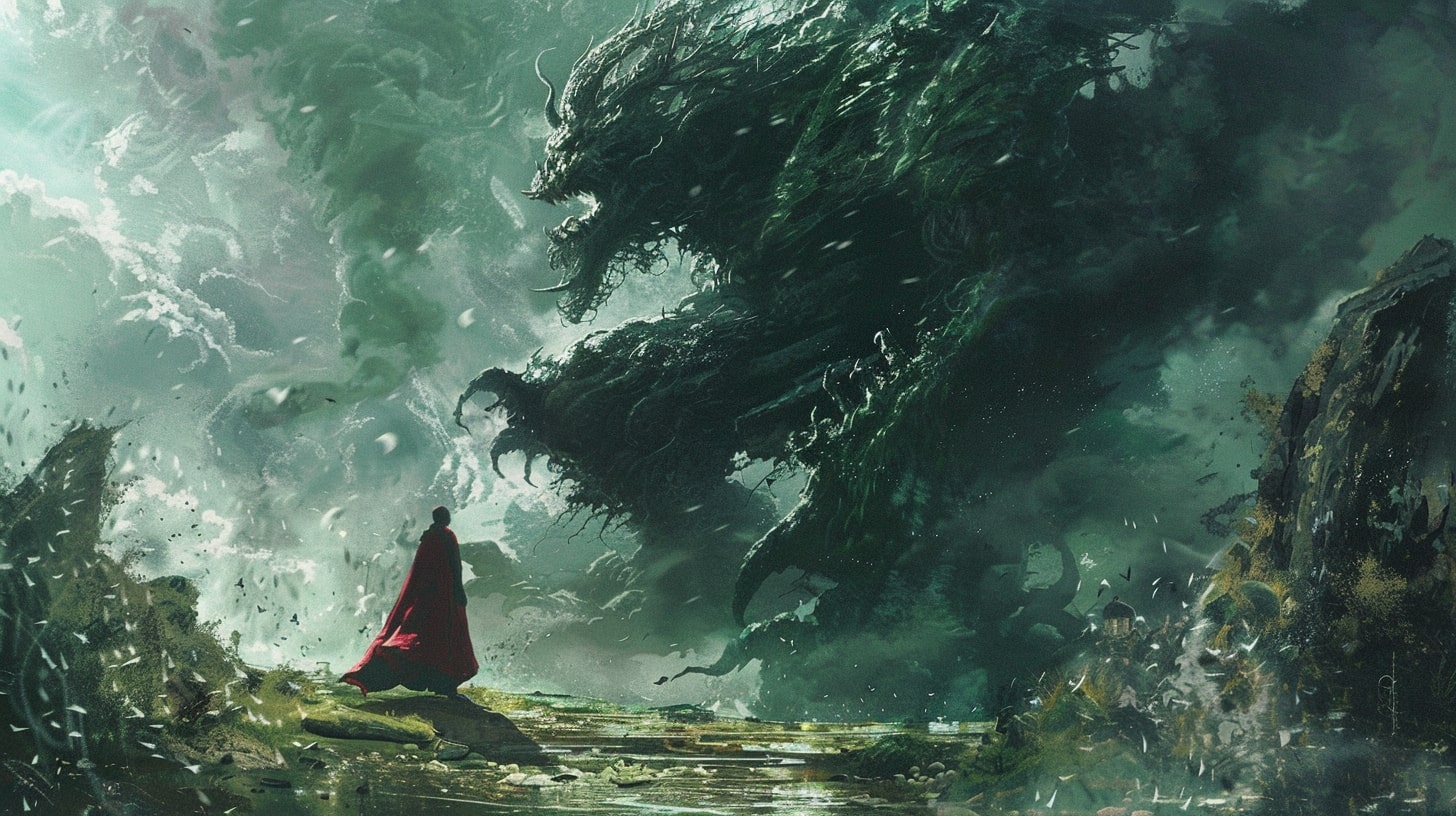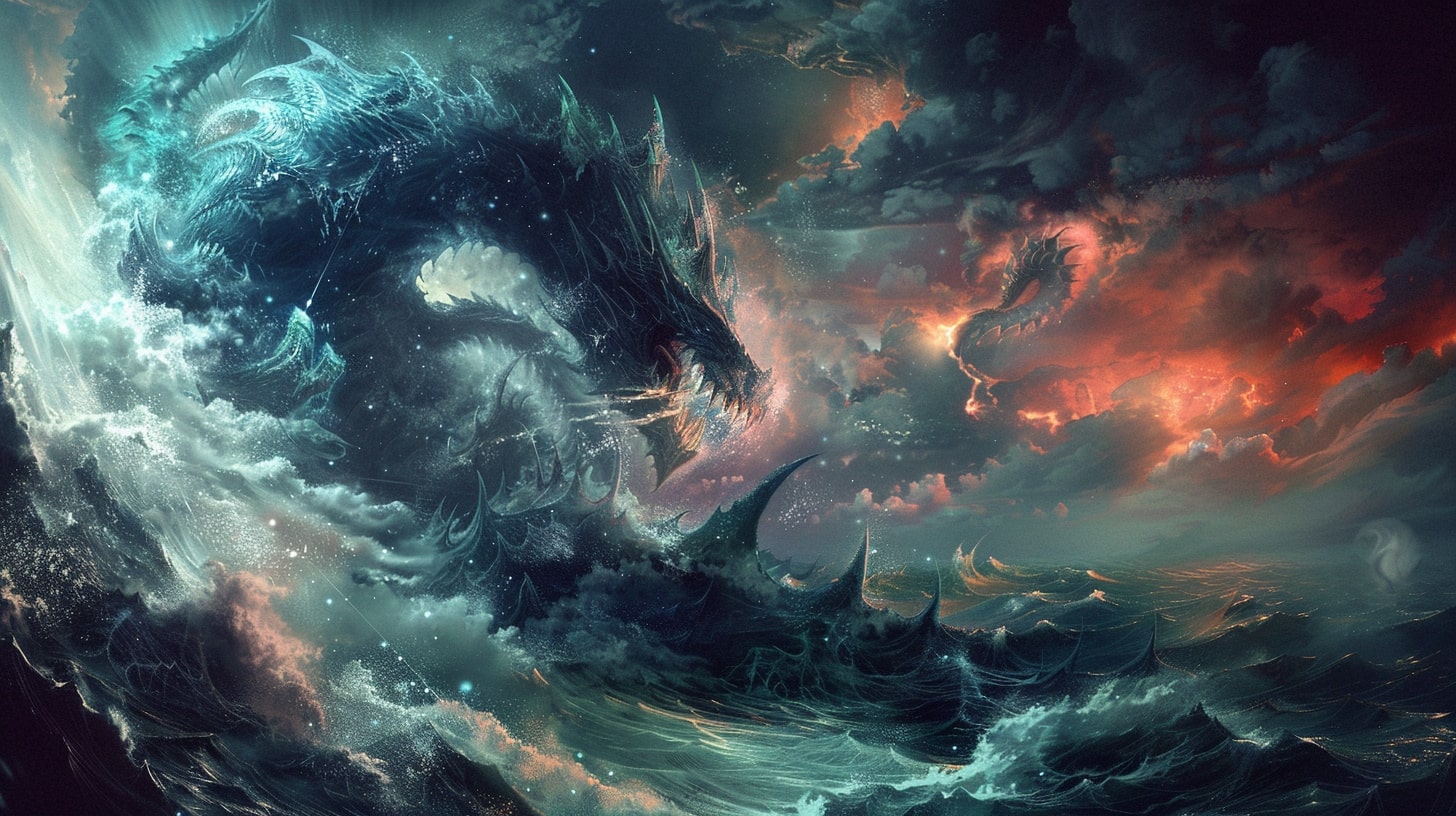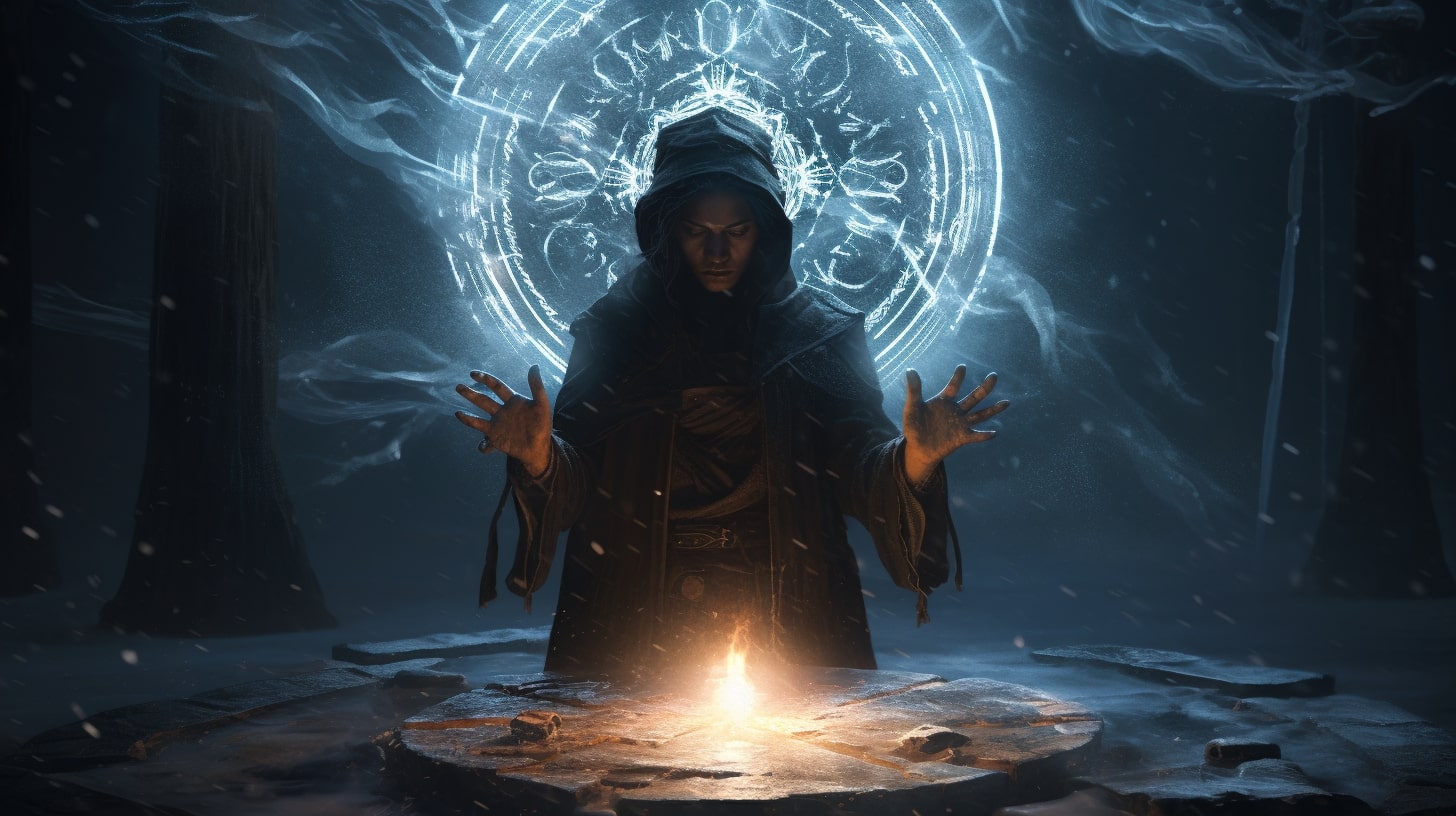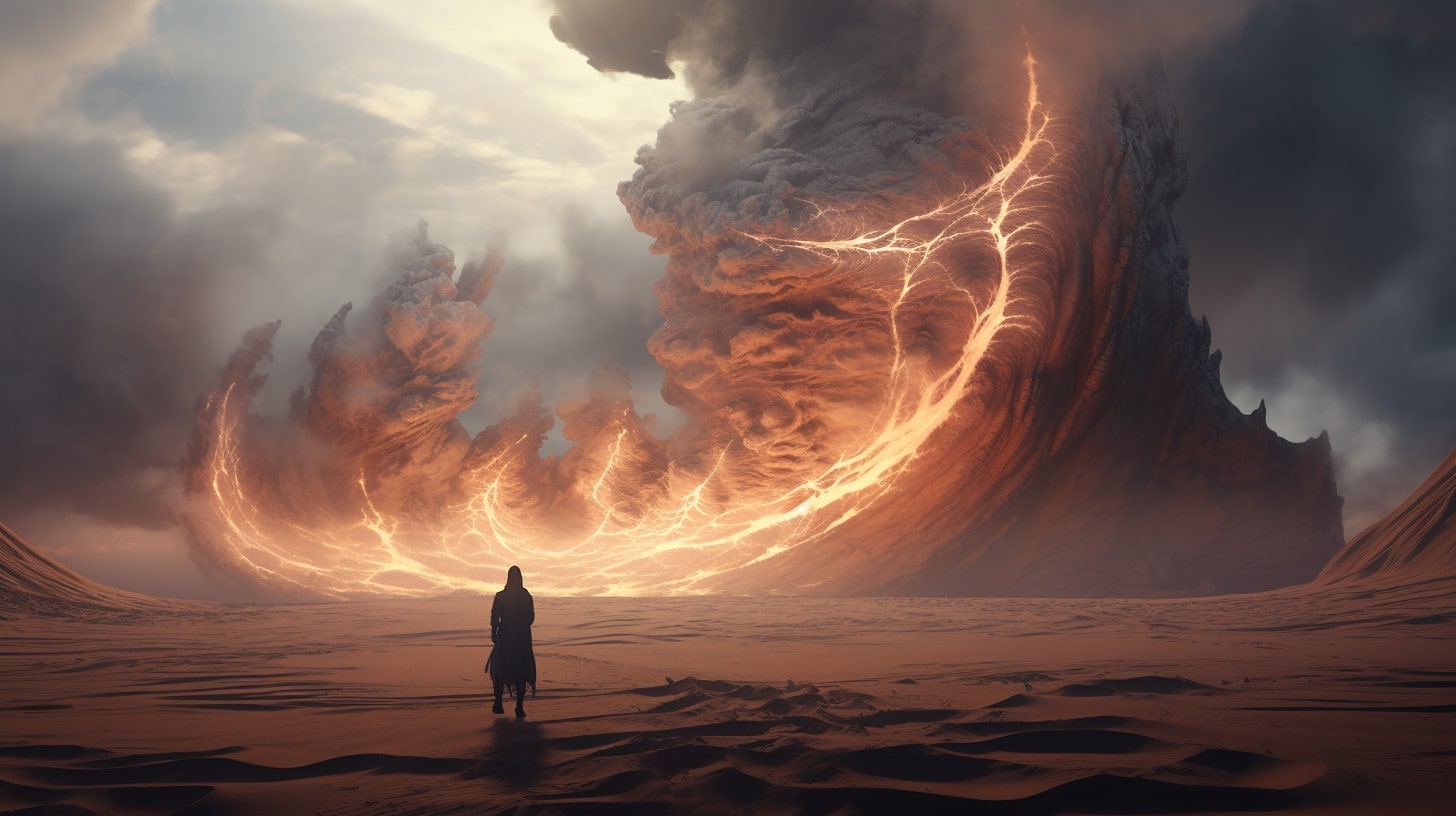
Nature-based magic feels more grounded than most other kinds of magic, and the reason is worth being precise about. The power does not come from inside the caster. It comes from the world, and the world is external, finite, and indifferent.
A wizard who invents fire out of willpower answers only to the author. A druid who pulls power from a specific grove answers to the grove, to the season, to whoever owns the land the grove stands on, and to whatever the grove wants back.
That second setup does most of your worldbuilding for you, because it forces the questions a good magic system has to answer anyway. Where does the power come from. What does it cost. Who has access and who does not.
That is the frame worth holding onto through the rest of this. It is easy to write a nature-based system as pure aesthetic, all mossy staves and glowing rune-carved oaks, and end up with something that reads as decoration rather than a system.
The fix is to treat nature as a resource with an owner, a supply, and a price, the same way you would treat oil or water or arable land. Once you do that, the branches and rules below stop being a menu of vibes and start being a set of design decisions with consequences.
If you want the broader map first, the magic systems hub and the guide to types of magic systems cover the wider territory this one sits inside.
What Is a Nature-Based Magic System?
A nature-based magic system is one where the power comes from the natural world rather than from the caster, a deity, a device, or abstract arcane knowledge. Wind, soil, rivers, forests, animals, seasons, rot, weather. The caster is a channel or a negotiator, not the source.
That single design choice does the heavy lifting, because it means the magic is bounded by real conditions. A firecaster who draws heat from the sun is weaker at midnight. A plant-mage in a drought has less to work with.
The limits are built into the setting instead of bolted on afterward, which is exactly what makes this family of systems feel so solid.
The distinction that matters is source versus effect. Plenty of systems produce nature-shaped effects, throwing fireballs, summoning vines, without being nature-based, because the power still originates in the caster.
What makes a system nature-based is that the fuel tank lives outside the person. When you build one, keep asking where the energy is actually coming from at the moment of casting, and whether that supply can run out.
Why Choose a Nature-Based Magic System
The obvious answer is atmosphere, and that is real. Readers respond to weather and landscape and living things because they already live inside them.
But the stronger reason to reach for this structure is that it gives you conflict for free. When power is tied to land and season and living things, scarcity and ownership come built in.
Think about what that means for a plot. A druid whose strength is tied to one specific forest has a vulnerability you can burn down. A society that runs on seasonal magic has a winter problem, which is to say a scarcity problem, which is to say a political problem about who gets the last of the power when it runs thin.
A caster who borrows an animal's senses owes that animal something. Every one of these is a story engine, and none of them requires a forbidden spellbook or a dark lord. The stakes come from the resource itself.
Naomi Novik understood this in Uprooted, where the Wood is not a backdrop but a hostile, patient, land-owning force with its own agenda, and the magic that draws near it is dangerous precisely because the source has intentions.
If you are still shaping the bones of your system before you pick a flavor, creating a fantasy magic system walks through the structural decisions, and magic system ideas is a good place to raid for hooks.
Types of Nature-Based Magic
The three usual branches are elemental, plant, and animal. They are the well-worn ones for good reason, but they are not the whole map.
Fungal and decay magic, weather and seasonal magic, and place-bound magic are all real options that tend to be underused, and they carry cost and access logic that the classic three sometimes hide. Here is the full set at a glance before we go deeper.
| Branch | Source | Natural Limit | Story Hook |
|---|---|---|---|
| Elemental | Earth, fire, water, air | Needs the element present and abundant | Terrain and weather decide who is strong |
| Plant | Growing things, herbs, roots | Season, soil, drought, slow growth | Whoever owns the fertile land owns the power |
| Animal | Bonds with living creatures | The animal has its own will and needs | The bond costs the caster something back |
| Fungal / Decay | Rot, spores, dead matter | Needs death and moisture to feed on | Power that spreads and cannot be un-spread |
| Weather / Seasonal | Sun, storm, cold, the turning year | Vanishes out of season, cannot be forced | Winter is a scarcity crisis with politics |
| Place-bound | A specific grove, spring, or stone | Does not travel with the caster | A property question the moment land changes hands |
Elemental Magic
Elemental magic is manipulation of earth, fire, water, and air, and it is the most recognizable branch because the source is everywhere and the effects are legible.
Avatar builds its whole system here, and it is worth studying because the bending is never just "control fire." It is tied to nation, discipline, ancestry, and technique, so two firebenders are not interchangeable.
The element is the raw material, but access to it is gated by training and lineage, which is what keeps it interesting.
The design lever people forget is the "needs the element present" clause. A waterbender in a desert is in trouble. An earthbender on a wooden ship has nothing to grip.
Once you let terrain and weather decide who is strong in a given scene, elemental magic stops being a flat power set and becomes tactical. Below is the classic elemental table, expanded with the limitation that makes each one a real constraint rather than a color.
| Element | Associated Abilities | Where It Fails |
|---|---|---|
| Earth | Shaping soil, stone, and metal, raising walls, sensing through the ground | Useless on water, weak where the ground is soft or paved over |
| Fire | Generating heat and flame, driving smoke and light | Fades in cold and wet, needs fuel, harder at night if tied to the sun |
| Water | Moving water and ice, healing, sensing through liquid | Nothing to draw on in arid land, frozen or scarce in winter |
| Air | Wind, gusts, flight, carrying sound or scent | Least destructive alone, blunted in sealed or enclosed spaces |
For the deeper mechanics of building spell logic on top of the four elements, elemental magic spells goes into the practical detail.
Plant-Based Magic
Plant-based magic runs on growing things, and it is the branch where the economics get sharp fastest. Plants need soil, water, sun, and time, which means plant magic has a supply chain.
A mage can accelerate growth, wake vines, brew from herbs, and knit a wound with the right root, but only if the plant exists and the conditions allow it. That constraint is a gift. It quietly turns your magic system into a land question.
Whoever controls the fertile valley controls the power, and the folk practitioner who knows the hillside weeds may know more than the licensed botanist but has no legal claim to the good ground.
Drought, frost, blight, and slow growth are the natural brakes here. Lean into them.
A plant-mage going into a hard winter is a mage watching the tank empty, and that is a far more interesting position than one with an infinite supply.
Animal-Based Magic
Animal-based magic is the bond between a caster and living creatures: sensing through them, borrowing their instincts, sometimes taking their shape.
Robin Hobb's Wit is the model to study, because Hobb refuses to make it free. The bond is real, intimate, and costly. It reshapes the person who forms it, and losing a bonded animal is a grief that changes the caster permanently.
The magic is not "command a wolf." It is a relationship with a creature that has its own will and can refuse.
That refusal is the whole design. If the animal consents, you have a partnership with obligations running both ways. If it does not, you have coercion, which is its own moral and mechanical problem.
Either way the animal is not a resource that sits still. It eats, it ages, it wants things, and it can leave. Build that in and the branch stops being a summon button and becomes a bond with a price.
Fungal, Weather, and Place-Bound Magic
The underused branches are where you can build something that does not read like everyone else's.
Fungal and decay magic feeds on rot, spores, and dead matter, which means it needs death and damp to work, and it tends to spread in ways the caster cannot fully take back. That "cannot un-spread" quality is a built-in horror and a built-in cost.
Weather and seasonal magic ties power to sun, storm, cold, and the turning year, so it is strong in its season and gone out of it, and it cannot be forced early. That makes any society built on it fundamentally a scarcity society, with all the hoarding and rationing and winter politics that implies.
Place-bound magic ties power to one specific site, a grove, a spring, a standing stone, and does not travel with the caster. The moment that land can be bought, fenced, inherited, or burned, your magic system has become a property dispute, which is one of the most fertile plot sources there is.
I lean on this in my own worlds. In Mudwick the magic is saturation, experiential residue soaked into the land and the places over time, built on Appalachian ground layered with real history. The power lives in the dirt, so whoever controls the richest sites controls the magic, and the whole map becomes a fight over who holds what. Farwoken runs the idea the other way. A slow tide called the Still creeps across the land, folding people and places into one consciousness, so nature there is not a resource you own but a force you flee, and civilization is a permanent migration always staying one step ahead of the ground being consumed.
Rules and Limitations of Nature-Based Magic
This is the section that separates a system from a mood. The old version of this advice tends toward soft reciprocity, the idea that a caster should "give back to nature" and "honor the balance."
That is fine as a theme but weak as a mechanic, because it does not tell the reader what the magic actually cannot do. Real limitations are specific and enforceable. Here are the ones that matter most for nature-based systems.
Range. Power tied to a source weakens with distance from it. A place-bound druid is strong in the grove and ordinary a day's walk away. Decide the falloff and the story writes its own tension about staying close to home.
Season and time. If the source is seasonal or tied to the sun and moon, the caster's strength swings with the calendar and the clock. A summer-strong mage entering winter is a character with a countdown.
Consent. When the source is alive, an animal or a forest or the Wood, it can refuse, resist, or take its own price. Magic that requires consent is magic that can be denied at the worst moment, which is exactly when you want it to be.
Depletion. The world is finite. Overdrawn land goes barren, an overworked bond animal breaks down, a spring pulled from too hard runs dry. Let the source deplete and casting becomes a resource-management decision instead of a free action.
Ownership. Someone owns the fertile land, the sacred grove, the reliable spring. Access is political before it is magical. This is where nature-based systems quietly become stories about class and property, and it is the richest vein of all. If power is tied to place, then power is inherited, gated, and fought over like any other resource, and that is where the magic system ideas worth stealing tend to live.
Notice that none of these are "and then it upsets the ecological balance." They are hard edges the reader can track and the plot can exploit. Give your system three or four of them and it will hold weight.
Worked Examples
Start with a single clear rule and let it cascade. Say your world runs on grove-bound druidic magic: a druid draws power from one grove they are sworn to, and the power falls off sharply with distance.
Immediately you have a map of strength, a reason druids rarely travel far, a catastrophic vulnerability if the grove is threatened, and a legal question the instant a lord decides to clear that forest for farmland. One rule, and you have terrain, motive, and conflict.
Or take seasonal weather magic, strong in summer storms and nearly spent by deep winter. Now your society has a rationing problem. Who gets the last of the summer-stored power.
Do the strong hoard it. Does the crown tax it. What happens to the region in the year the storms do not come. The scarcity does the plotting for you, the way a bad harvest drives a real medieval winter.
Patricia McKillip and the older "Old Power" traditions in fantasy work this way too. The power is ancient, tied to place and word and living things, and it is never quite tame.
Jim Butcher's magic leans on the idea that pulling energy from the world around you is safer and more sustainable than burning your own life to fuel a spell, which is itself a rule about source and cost.
In every case the memorable part is not the effect. It is the constraint, and the constraint almost always comes back to where the power lives and who can reach it.
For more on turning a single rule into a full system, worldbuilding covers how magic sits inside the wider world it draws from, and the broader fantasy writing guide covers how a magic system serves the story around it.
FAQ
What is a nature-based magic system? It is a magic system where the power comes from the natural world, the elements, plants, animals, weather, seasons, or specific places, rather than from the caster's own will, a god, or a magical device. The defining trait is that the source sits outside the person, which means the magic is naturally limited by real conditions like season, distance, supply, and who controls the land.
Is elemental magic the same as nature magic? Elemental magic is one branch of nature-based magic, not the whole thing. It focuses on earth, fire, water, and air. Nature magic is the broader family that also includes plant, animal, fungal and decay, weather and seasonal, and place-bound magic. Every elemental system is nature-based, but plenty of nature-based systems are not primarily elemental.
How do you add limitations to nature magic? Tie the power to something finite and specific. Good limits include range from the source, seasonal or time-of-day strength, the consent of a living source that can refuse, depletion when the world is overdrawn, and ownership of the land or site the power comes from. Concrete constraints the reader can track work far better than vague appeals to keeping nature in balance.
What are examples of nature-based magic in fantasy? Avatar's bending is elemental magic gated by nation and discipline. Robin Hobb's Wit is an animal bond with a real emotional and physical cost. Naomi Novik's Uprooted treats the Wood as a hostile, land-owning living force. Patricia McKillip and the older Old Power traditions tie magic to place, word, and living things. Jim Butcher frames drawing on the world around you as safer than burning your own life force.
Does nature-based magic have to be gentle or good? No. The source being natural says nothing about it being kind. Decay magic feeds on death and spreads past control. The Wood in Uprooted is malevolent. Weather magic can starve a region when the season turns. Nature is indifferent, not benevolent, and a system that remembers that tends to be far more interesting than one built purely on harmony and reverence.