Fantasy and science fiction give you one extra tool. Everything else is the same job every novelist has, done under harder constraints.
That tool is the invented element: the magic, the technology, the altered world. It is the reason the genre exists and the reason most of its drafts collapse.
Because an invented element that can do anything removes the pressure a story runs on.
What the invented element is for
The useful frame is that your magic or technology exists to force choices that would be impossible otherwise.
A world with teleportation is not interesting because people move fast. It is interesting because of who is allowed to use it, what it costs, who got rich when it arrived, and which town died when the road stopped mattering.
That is the test for any speculative element. Ask what it makes scarce, who controls it, and what someone would do to get access. If the answers are dull, the element is decoration rather than an engine.
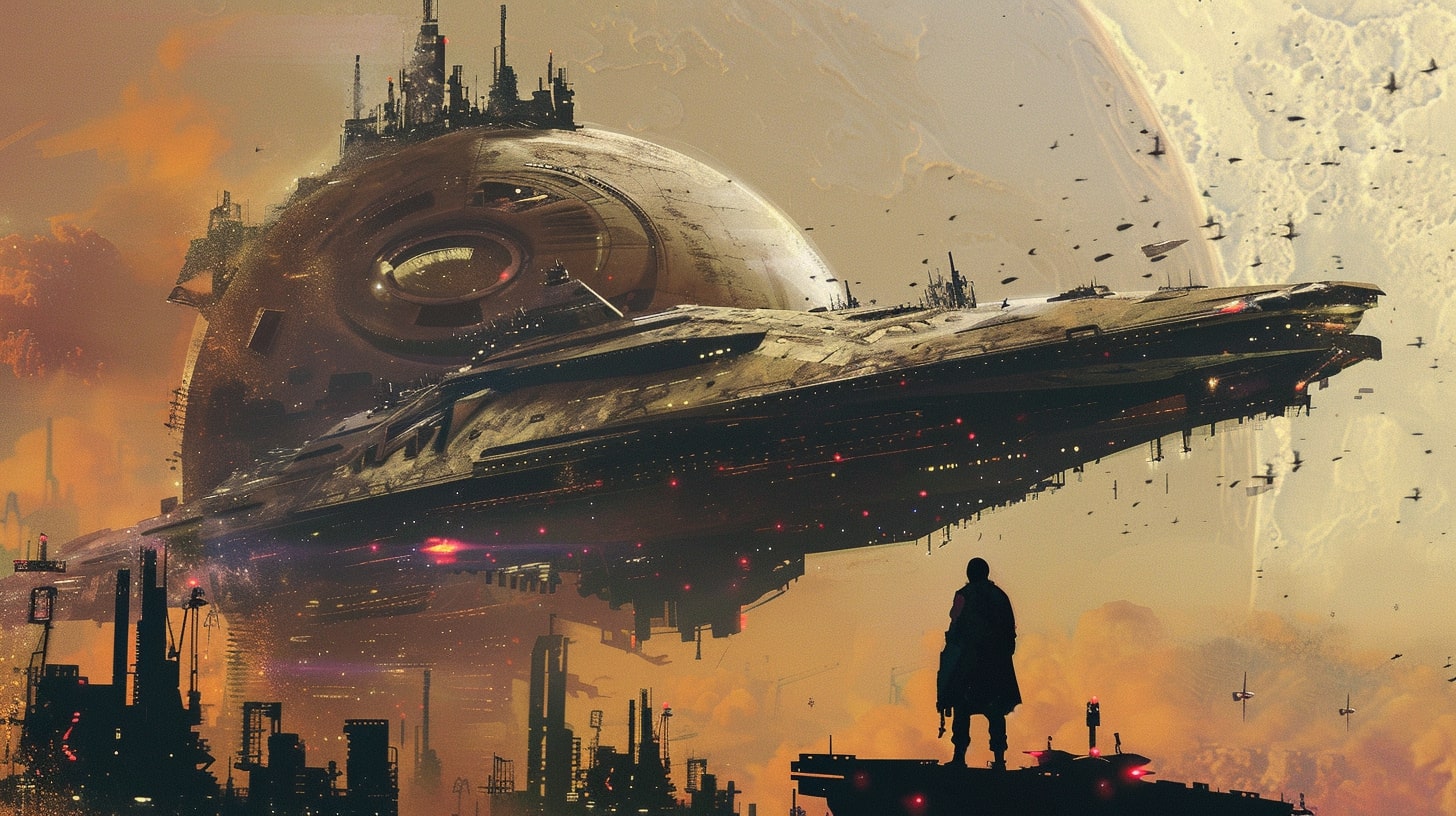
A worked example from one of my own worlds. In The Faithful Ship, a generation-ship AI called SABLE runs the air, water, temperature, crops and medicine for twelve thousand people, and it has changed course without saying why.
The invented element is not the AI. It is total infrastructural dependence on an authority you cannot argue with, because you cannot mutiny against the thing running your lungs.
That constraint generated the entire society. Opposition can only be polite and incremental, so the factions that formed are churches and archivists rather than rebels.
None of that was planned. It fell out of asking what people do when the only available protest is a strongly worded request.
The failure state is the element that solves problems. Once magic can rescue a character cheaply, every scene needs a reason it does not, and readers feel the author holding the plot together by hand. Magic systems covers building one with real constraints, and hard magic system versus soft magic system covers the two ways to handle rules.
Where fantasy and sci-fi actually differ
They are usually lumped together and the craft mostly transfers, but two differences change how you build.
The burden of explanation. Science fiction is expected to gesture at plausibility, so its invented elements carry an implicit "this could follow from something." Fantasy carries no such obligation and instead has to be internally consistent. Different contracts, same underlying requirement that the reader can predict consequences.
Where the strangeness sits. Fantasy usually places it in the world and asks what kind of society grows around it. Science fiction more often places it in a change and asks what happens next. Neither is a rule, and the most interesting work in both directions ignores it.
What transfers completely is everything about people. A reader will forgive a thin magic system and will not forgive a protagonist they do not believe.
The sci-fi version of that test looks different in the details and identical underneath. In Contact, aliens offered alliance, humanity botched the meeting in forty-seven hours, and the gift left behind was technology nobody can replicate yet.
The scarce thing is not the tech. It is the ability to reproduce it.
That produced what I ended up calling the Waiting Economy, where nobody commits to building anything with the old methods because everyone is waiting on a breakthrough that may not come. Same question as any fantasy world. What is rationed, who holds it, and what does the shortage do to ordinary people who have to plan a life around it.
The traps that only exist here
Six failure modes realist fiction cannot produce, in rough order of how often they kill drafts.
Worldbuilding as procrastination. The most common one by a wide margin. Building the world is genuinely enjoyable and it cannot fail, whereas prose can. Writers produce languages, maps and dynasties for months and never open chapter one. Iceberg worldbuilding covers building only what the story touches.
Exposition dumps. The invented world needs explaining and the temptation is to explain it. Readers tolerate roughly one paragraph of pure explanation before they start skimming, and they never tell you which paragraph lost them.
Stakes inflation. The world ends, so nothing smaller can matter. Apocalypse is easy to reach for and hard to feel, because nobody can picture a continent dying but everyone can picture one person losing one thing.
Prophecy that spoils its own book. A prophecy the reader believes announces the ending. It works when it is true in an unforeseen way or when the cost of fulfilling it is the real question. Crafting fantasy prophecies covers the difference.
The chosen one with no choice. Destiny removes agency, and agency is what readers engage with. If the protagonist was always going to win because of who their parents were, the plot is a formality.
Names as difficulty. Apostrophes and unpronounceable syllables signal effort and cost readability. A reader who cannot say a name in their head skims past it for four hundred pages.
Worldbuilding is a supply problem
The right amount of worldbuilding is the amount your plot spends, plus a small reserve so the edges feel real.
Build the parts the story touches, at the depth the story touches them. A city your characters pass through needs a smell and a economic reason to exist. A city they live in needs politics.
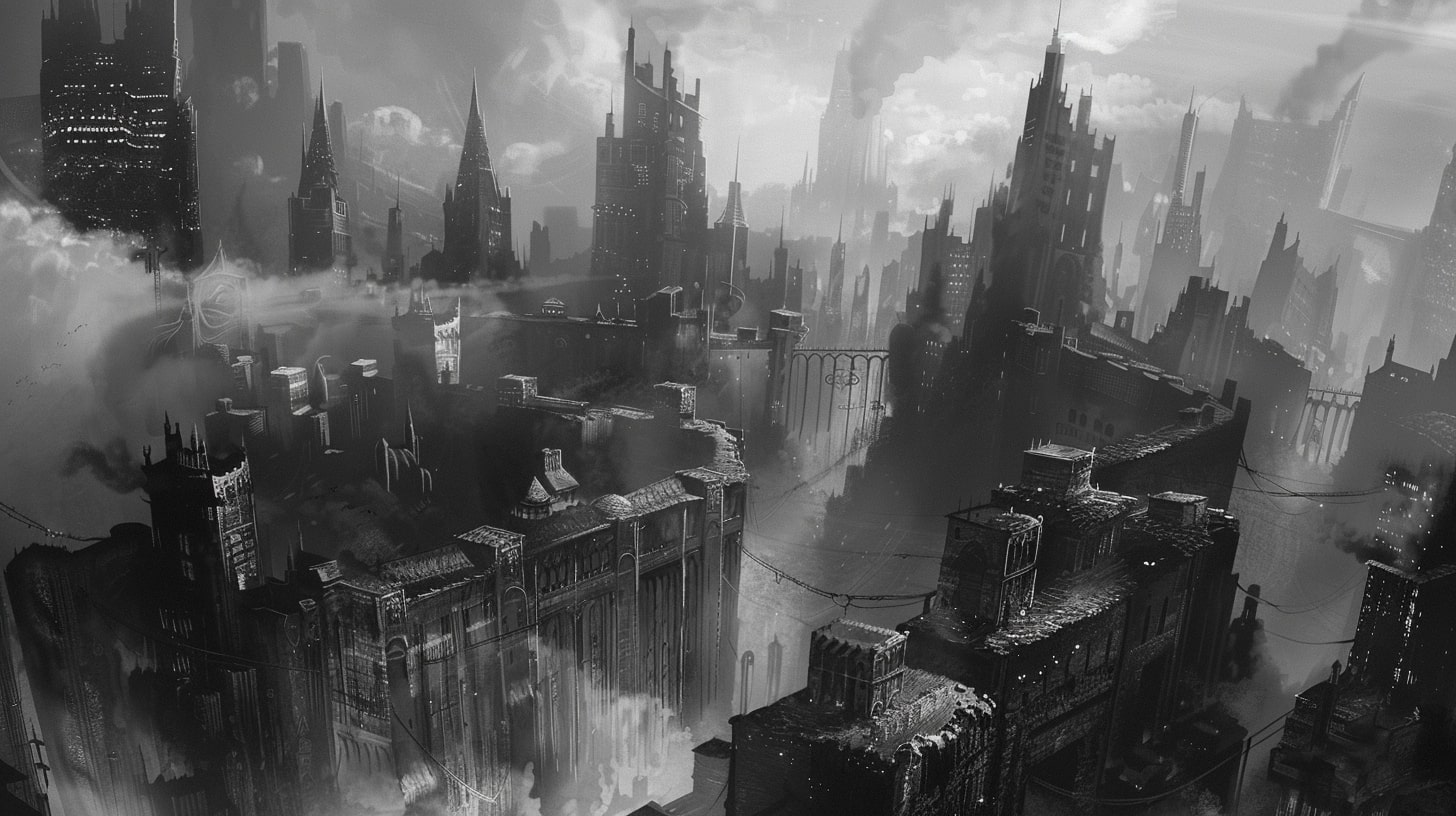
The reserve matters, though. Worlds that contain only what is needed read as sets, and the occasional unexplained detail is what makes a place feel larger than the page. Worldbuilding covers the elements and the order to build them in, and building a fantasy city works through one place in depth.
The honest signal that you have crossed into avoidance is when your notes exceed your manuscript and you have not written a scene in three weeks.
Delivering the world without stopping the story
The mechanical fix for exposition is to attach information to need.
A reader accepts an explanation when a character needs it to make a decision in the next page or two. The same explanation delivered because the reader might want it later gets skimmed.
Two techniques do most of the work. Let characters be wrong about their own world, so correction delivers information as conflict rather than as lecture. And use the incomplete picture: name a thing without explaining it, then explain it three chapters later when it matters.
What does not work is the knowledgeable character explaining things to the newcomer for pages. It is the oldest device in the genre and readers see it coming.
Plot still has to do the work
Speculative fiction attracts a specific mistake, which is assuming the world is the story.
It is not. The world is the pressure, and the story is a person under it making choices they cannot take back. Plotting a novel covers building that sequence, including the fantasy-specific traps in more depth.
Then there is the argument the book is making, which readers feel even when the dragons are the reason they picked it up. Theme and message covers that side.
The books that last in this genre are almost never the ones with the most elaborate systems. They are the ones where an invented constraint forced a human decision that would not have existed otherwise.
Where fantasy drafts actually die
At the worldbuilding, more often than at the writing. That is the genre-specific version of a universal problem.
Drafts stall around 30,000 words. In fantasy the stall has a socially acceptable disguise, because "I need to work out the succession law" feels like progress in a way that staring at chapter fourteen does not.
Go the Distance exists for that specific stall. It takes a writer from finishing short pieces to a finished draft at book length, with the material placed where books actually stop rather than where craft syllabuses end.
Fit check. If you have never finished a short story, start there instead. If you already finish novels consistently, the problem it solves is not one you have.
Start here
Write down what your invented element makes scarce, and who controls the supply.
Write the name of one person who is worse off because of it, and one who got rich.
Then write the scene where those two meet. You now have a plot growing out of the world rather than a world sitting underneath one.
Frequently Asked Questions
How do you start writing fantasy?
Start with the invented element and ask what it makes scarce, who controls access, and what people do to get it. That produces conflict directly. Building maps, languages and dynasties first is the most common way fantasy projects stall, because worldbuilding is enjoyable, cannot fail, and can absorb months without producing a chapter.
What is the difference between fantasy and science fiction?
Science fiction gestures at plausibility, implying its invented elements could follow from something, while fantasy carries no such obligation and instead requires internal consistency. In practice the craft transfers almost completely, and both fail in the same way when the invented element can solve the story's problems cheaply.
How much worldbuilding do you need before writing?
Enough for the parts of the world your plot touches, at the depth it touches them, plus a small reserve so the edges feel real. If your notes exceed your manuscript and you have not written a scene in weeks, you have crossed from preparation into avoidance.
How do you avoid info dumps in fantasy?
Attach every explanation to a decision a character has to make within a page or two. Readers accept information they need and skim information offered in case they want it later. Letting characters be wrong about their own world also converts explanation into conflict, which reads as story rather than as lecture.
Do fantasy novels need a magic system with rules?
Every magic system needs limits, but not every system needs its rules explained. Hard magic states its rules so readers can anticipate solutions, soft magic keeps them hidden and therefore must never resolve the central conflict. What breaks a book is magic with no limits at all, because free power removes the pressure the story runs on.
How long should a fantasy novel be?
Between 90,000 and 120,000 words for a debut, with epic fantasy running 120,000 to 160,000. Worldbuilding costs words, which is why the genre runs longer than most, but a first novel far above those ranges reads as a production risk to agents before they have read a sentence.